
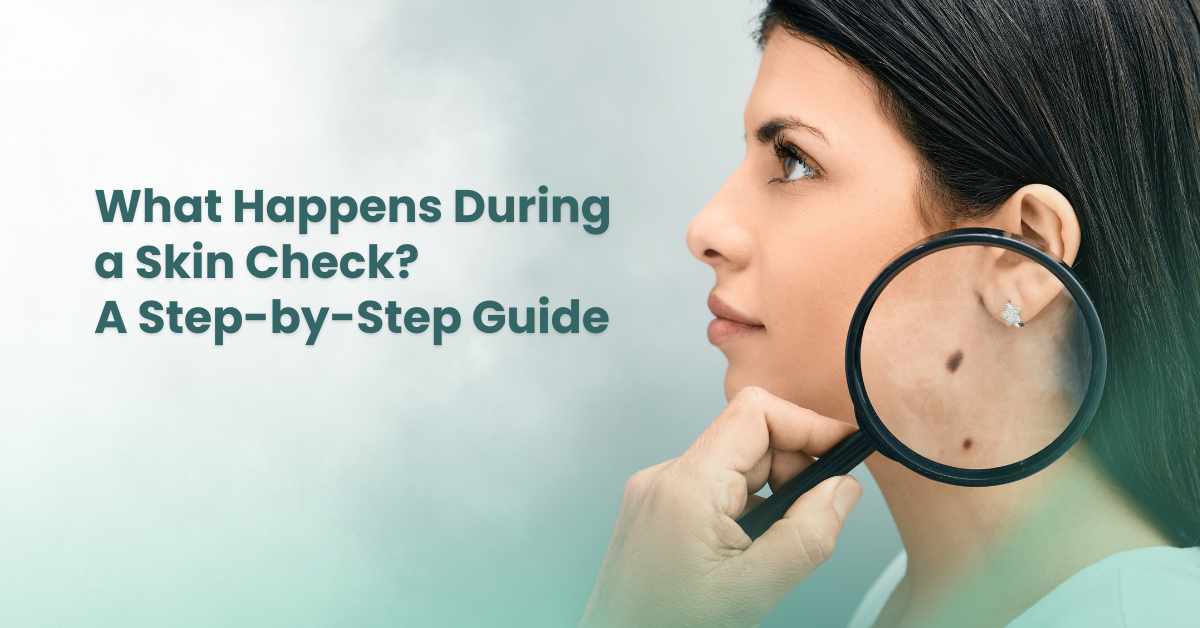
For many Australians, booking a skin check sits on the “I should probably do that soon” list for months, or even years.
Some people delay because they feel nervous about what the appointment involves. Others assume skin checks are only necessary if a mole looks obviously dangerous. And many simply do not realise how common skin cancer is in Australia until someone close to them is diagnosed.
The reality is that skin checks are one of the most important preventive health appointments many Australians can have.
Because skin cancer often develops gradually, early assessment may help identify suspicious lesions before they become more serious.
For patients searching:
- skin examination
- skin check appointment
- early skin cancer detection
- dermatology consultation
Understanding what actually happens during a skin check can help make the process feel much less intimidating.
Why Skin Checks Matter in Australia
Australia has one of the highest rates of skin cancer in the world.
Long-term UV exposure from:
- Outdoor work
- Sport
- Beach exposure
- Recreational activities
- Everyday sun exposure
can gradually damage skin over time.
The challenge is that many skin cancers develop slowly and may initially look harmless.
That is why regular skin examination appointments can play an important role in:
- Early skin cancer detection
- Monitoring mole changes
- Assessing suspicious lesions
- Supporting preventive skin health
What Is a Skin Examination?
A skin examination is an assessment where a healthcare professional examines the skin for:
- Suspicious moles
- Unusual lesions
- Changes in skin spots
- Signs that may require further review
Patients searching:
- what happens during a skin check
- skin check appointment
- early skin cancer detection
are often reassured to learn that skin checks are generally straightforward, non-invasive, and focused on preventive healthcare.
Who Should Consider a Skin Check?
A skin check may be appropriate for adults of all ages, particularly those who spend significant time outdoors or have experienced frequent sun exposure. Regular skin examinations may also be recommended for people with fair skin, a large number of moles, a personal or family history of skin cancer, or anyone who notices new or changing spots. If you’re unsure whether you should book a skin check, your General Practitioner (GP) can help assess your individual risk factors and recommend an appropriate screening schedule.
Step 1: Discussing Your Skin and Medical History
Most skin check appointments begin with a conversation about:
- Personal history of skin cancer
- Family history
- Previous mole removals
- Sun exposure history
- Current skin concerns
- Any spots that have changed recently
Patients may also discuss:
- Frequent sunburn history
- Outdoor occupations
- Changes in specific moles or lesions
This helps guide the examination and identify any higher-risk factors that may warrant closer monitoring.
Step 2: The Physical Skin Examination
During the skin check itself, the healthcare professional examines the skin for suspicious changes.
This may involve checking:
- Face and scalp
- Arms and hands
- Back and shoulders
- Chest and abdomen
- Legs and feet
Depending on the situation and patient comfort, a full-body skin examination may sometimes be recommended, particularly for patients with higher skin cancer risk or significant sun exposure history.
Patients often feel nervous about this part beforehand, but the appointment is generally conducted professionally and respectfully.
Step 3: Assessing Moles and Skin Lesions
During the examination, the healthcare professional may assess:
- Mole size
- Shape
- Colour
- Symmetry
- Border irregularities
- Changes over time
Patients searching:
- mole changes
- skin lesions
- early skin cancer detection
often book appointments after noticing spots that:
- Look different
- Have changed colour
- Become itchy
- Bleed
- Do not heal properly
Importantly, not every unusual spot is skin cancer, but suspicious changes should still be professionally assessed.
Step 4: Using Dermoscopy or Magnified Skin Assessment
Some healthcare professionals may use a dermatoscope during a skin examination.
This is a handheld device that helps provide a magnified view of skin lesions and mole patterns.
It may assist in assessing whether:
- A lesion appears suspicious
- Ongoing monitoring may be needed
- Further investigation should be considered
Patients searching:
- dermatology consultation
- skin examination
- skin check appointment
are often curious about the tools used during the appointment and whether the process is painful.
Importantly, dermoscopy (using a dermatoscope) itself is generally non-invasive and painless.
Step 5: Discussing Findings and Next Steps
After the examination, the healthcare professional will discuss:
- Whether any spots require monitoring
- Whether further assessment may be recommended
- General skin health advice
- Follow-up timing if needed
Depending on the findings, recommendations may vary between individuals.
Some people may simply be advised to continue regular monitoring, while others may require additional review or referral pathways.
Are Skin Checks Painful?
One of the most common questions patients ask is:
“Are skin checks painful?”
In most cases, the examination itself is painless.
A standard skin examination generally involves visual assessment of the skin and does not involve surgery or invasive procedures during the initial appointment.
If further procedures are recommended later, the healthcare provider will explain these separately.
How Often Should You Have a Skin Check?
The recommended frequency of skin checks varies depending on:
- Skin type
- Family history
- Previous skin cancers
- Number of moles
- Sun exposure history
- Individual risk factors
Patients commonly search:
- how often should I get a skin check
- skin cancer screening
- skin examination
because recommendations are often personalised rather than identical for everyone.
A healthcare professional can help guide appropriate monitoring based on individual circumstances.
When Should You Book a Skin Check?
It may be a good time to arrange a skin check if you:
- Notice a new or changing mole.
- Have a spot that bleeds, itches, or does not heal.
- Spend a lot of time outdoors for work or recreation.
- Have previously had skin cancer.
- Have a family history of melanoma or other skin cancers.
- Have not had a skin examination for several years.
What Skin Changes Should Never Be Ignored?
It is worth booking a skin check appointment if you notice:
- A changing mole
- A new unusual spot
- A lesion that bleeds
- A sore that will not heal
- Persistent itching or crusting
- Colour changes in a mole
In Australia, where UV exposure remains high, early assessment of suspicious skin changes is important.
Why Early Skin Cancer Detection Matters
Many skin cancers are more manageable when identified early.
That is why preventive skin examinations remain an important part of healthcare for Australians, particularly those with significant sun exposure history.
Early assessment may help:
- Identify suspicious lesions sooner
- Reduce delays in treatment
- Support ongoing skin monitoring
- Provide reassurance when lesions are benign
Skin Checks at Botanic Ridge Doctors
At Botanic Ridge Doctors, we provide comprehensive skin examinations to help assess suspicious moles, skin lesions, and other changes that may require further review. Our GPs take the time to understand your individual risk factors, examine your skin thoroughly, and discuss any recommended follow-up care or referrals where appropriate.
If you’re concerned about a changing mole or simply want reassurance about your skin health, booking a skin check is an important step in preventive healthcare.
Learn more about our medical team and the healthcare professionals caring for patients at Botanic Ridge Doctors.
Key Takeaways
- Skin checks are simple, non-invasive appointments.
- Early assessment may help identify suspicious skin changes sooner.
- Not every unusual mole is skin cancer, but any changes should be professionally assessed.
- Your GP can recommend an appropriate skin check schedule based on your individual risk factors.
- Regular skin examinations are an important part of preventive healthcare in Australia.
Final Thoughts
Booking a skin check can feel intimidating at first, especially for people who have never had one before.
But understanding what happens during a skin examination often helps patients feel more comfortable and confident about seeking preventive skin healthcare.
Skin checks are generally straightforward, professional, and focused on identifying concerning changes early; before they become more serious.
If you have noticed changing moles, unusual spots, or simply have not had a skin check in some time, speaking with a healthcare professional may help provide reassurance and support ongoing skin health monitoring.
Frequently Asked Questions
How long does a skin check take?
Most skin check appointments take around 15 to 30 minutes, depending on your medical history, the number of skin lesions being assessed, and whether any follow-up recommendations are required.
Do I need a referral for a skin check?
In most cases, you can book a skin check appointment with your GP without a specialist referral. If additional assessment is needed, your GP can discuss the most appropriate next steps.
Should I have a skin check even if I don’t have any suspicious moles?
Yes. Some skin cancers may develop without causing obvious symptoms in their early stages. Regular skin examinations may help identify changes that are not easily noticed during self-checks.
What should I wear to a skin check appointment?
Wear comfortable clothing that can be removed easily if a full-body skin examination is recommended. Your healthcare professional will explain the examination process and ensure your comfort and privacy throughout the appointment.
Helpful Resources
- https://www.cancer.org.au/cancer-information/causes-and-prevention/sun-safety/check-for-signs-of-skin-cancer
- https://www.cancer.org.au/types-of-cancer/skin-cancer
- https://www.betterhealth.vic.gov.au/health/conditionsandtreatments/skin-cancer
- https://www.sunsmart.com.au/skin-cancer/checking-for-skin-cancer