
You’ve been feeling unusually tired lately. Even after a full night’s sleep, you struggle to get through the day without feeling exhausted. Climbing the stairs leaves you breathless, concentrating at work feels harder than usual, and activities you previously enjoyed now seem more demanding.
After speaking with your GP and having blood tests, you discover that your iron levels are low.
Your doctor recommends iron treatment, but you’re unsure which option is most suitable.
Should you take oral iron supplements, or would an IV iron infusion be more appropriate?
Both treatments can help address iron deficiency, but they work differently and aren’t suitable for everyone.
While oral iron supplements are often the first treatment considered, an IV iron infusion may be recommended when oral treatment is ineffective, poorly tolerated or unsuitable. Understanding how an IV iron infusion works, its potential benefits and associated risks can help you discuss appropriate treatment options with your GP.
For people living in Botanic Ridge and surrounding communities, understanding the differences between these treatments can help support informed discussions with a GP.
In this guide, we’ll explore how IV iron infusions work, their potential benefits, possible side effects and when intravenous treatment may be considered as part of anaemia management.
What Is Iron Deficiency?
Iron is an essential mineral that helps the body produce haemoglobin, a protein found in red blood cells.
Haemoglobin carries oxygen from the lungs to tissues and organs throughout the body.
Iron also supports other important functions, including energy metabolism and normal cellular processes.
When the body doesn’t have enough iron, it may become difficult to maintain adequate haemoglobin production.
This can eventually lead to iron deficiency anaemia.
However, iron deficiency and iron deficiency anaemia aren’t the same condition.
Iron deficiency can be particularly relevant for women due to factors such as menstruation and pregnancy. Learn more about iron infusions for women managing fatigue and anaemia, including when this treatment may be considered.
Iron Deficiency Without Anaemia
Iron deficiency occurs when the body’s iron stores become depleted.
A person may have low iron stores while their haemoglobin level remains within the normal range.
Some people experience symptoms, while others may not notice any changes.
Iron Deficiency Anaemia
Iron deficiency anaemia develops when iron deficiency affects haemoglobin production enough to cause anaemia.
This may reduce the blood’s ability to carry oxygen efficiently.
Symptoms can include fatigue, weakness, breathlessness and reduced exercise tolerance.
Blood tests are needed to determine whether iron deficiency, anaemia or another condition is present.
What Are the Common Symptoms of Iron Deficiency?
Symptoms vary depending on the severity of iron deficiency, whether anaemia is present and other individual health factors.
Possible symptoms include:
- Persistent tiredness
- Reduced energy
- Weakness
- Difficulty concentrating
- Headaches
- Dizziness
- Shortness of breath during physical activity
- Reduced exercise tolerance
- Paleness
- Heart palpitations
- Restless legs
- Brittle nails
Some people may experience unusual cravings for non-food substances, such as ice. This is known as pica.
However, these symptoms aren’t specific to iron deficiency.
Fatigue, dizziness and breathlessness can also occur with thyroid disorders, vitamin deficiencies, heart conditions and other medical problems.
If you’re experiencing persistent symptoms, a GP can assess possible causes and determine whether blood tests are appropriate.
What Causes Iron Deficiency?
Iron deficiency can develop when the body loses more iron than it absorbs or receives through the diet.
Common contributing factors include:
Heavy Menstrual Bleeding
People who experience heavy or prolonged menstrual periods may lose more iron than their body can replace.
Pregnancy
Iron requirements increase during pregnancy to support changes in blood volume and fetal development.
However, iron treatment during pregnancy should be guided by appropriate medical assessment.
Inadequate Dietary Iron Intake
Some people may not consume enough iron through their diet, particularly when dietary intake is limited or nutritional requirements are increased.
Reduced Iron Absorption
Certain gastrointestinal conditions can affect the body’s ability to absorb iron.
Examples include coeliac disease and some inflammatory bowel conditions.
Gastrointestinal Blood Loss
Bleeding from the digestive tract can contribute to iron deficiency.
Possible causes include ulcers, inflammatory conditions and other gastrointestinal disorders.
In some cases, gastrointestinal bleeding may be associated with serious conditions that require investigation.
Previous Surgery
Certain gastrointestinal procedures, including some forms of bariatric surgery, can affect iron absorption.
Increased Iron Requirements
Periods of growth, pregnancy and other circumstances may increase the body’s iron needs.
Identifying the cause of iron deficiency is an important part of treatment.
Replacing iron without investigating an underlying cause may delay the diagnosis of another medical condition.
How Is Iron Deficiency Diagnosed?
A GP may recommend blood tests when symptoms or risk factors suggest possible iron deficiency.
Common investigations include:
Full Blood Count (FBC)
A full blood count measures haemoglobin and other blood cell characteristics.
It can help identify anaemia and provide information about possible causes.
Ferritin Test
Ferritin is a protein that reflects the body’s stored iron.
Low ferritin levels commonly indicate depleted iron stores.
However, ferritin can increase during inflammation or illness, so results need to be interpreted in context.
Other Iron Studies
Depending on your circumstances, your GP may request additional tests, such as transferrin saturation.
These can help clarify iron availability and support diagnosis.
Further investigations may be recommended if the cause of iron deficiency is unclear.
Treatment decisions should be based on the overall clinical picture rather than one isolated blood test result.
What Are the Main Treatments for Iron Deficiency?
Iron deficiency treatment generally involves two important goals:
- Replacing depleted iron stores.
- Identifying and addressing the underlying cause.
Depending on the circumstances, treatment may involve dietary advice, oral iron supplements or intravenous iron.
The most appropriate approach depends on factors such as:
- Severity of iron deficiency
- Presence of anaemia
- Symptoms
- Underlying medical conditions
- Ability to absorb iron
- Previous response to treatment
- Side effects
- How quickly iron replacement is clinically required
For many patients, oral iron supplements are an appropriate first-line treatment.
However, some people may benefit from intravenous iron when there is a clear clinical indication.
What Is an IV Iron Infusion?
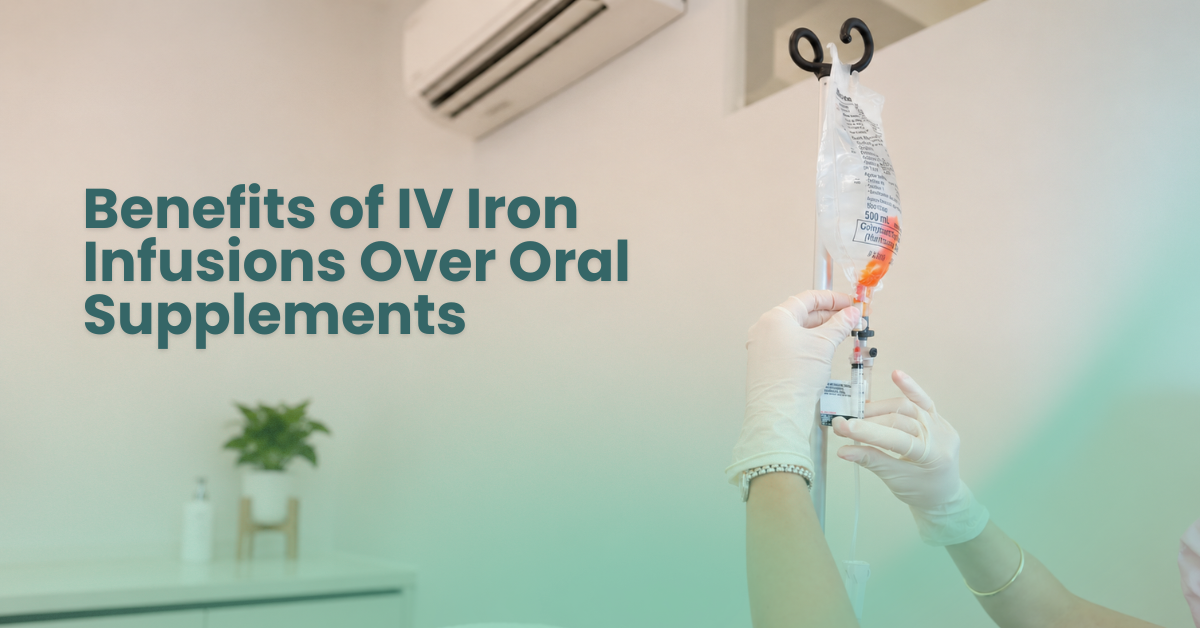
An IV iron infusion is a medical treatment that delivers iron directly into the bloodstream through a vein.
IV stands for intravenous.
Unlike oral supplements, which must pass through the digestive system before iron can be absorbed, intravenous iron bypasses gastrointestinal absorption.
The iron is administered using a prescribed preparation and dose selected according to the patient’s clinical needs.
The body then uses the supplied iron to replenish iron stores and support normal functions, including haemoglobin production.
IV iron is generally considered when oral iron treatment is unsuitable, ineffective or insufficient for the patient’s circumstances.
It is not routinely necessary for everyone with low iron levels.
An IV iron infusion is generally considered when a patient needs iron replacement that cannot be adequately achieved through oral supplements. The decision to proceed with an IV iron infusion depends on blood test results, medical history, previous treatment response and individual clinical needs.
How Do Oral Iron Supplements Work?
Oral iron supplements are tablets, capsules or liquid preparations taken by mouth.
They contain iron that is absorbed through the digestive system.
Oral iron is commonly used to treat uncomplicated iron deficiency because it is widely available, generally effective and does not require intravenous administration.
However, absorption varies between individuals.
Some people may experience gastrointestinal side effects, while others may have conditions that limit how much iron their body can absorb.
Oral treatment also requires regular use over time.
It can take several weeks to improve haemoglobin levels and several months to replenish iron stores, depending on the severity of deficiency and response to treatment.
Your GP can recommend an appropriate preparation, dose and follow-up schedule.
What Are the Potential Benefits of IV Iron Infusions?
IV iron infusions offer several potential advantages in selected patients.
However, these benefits need to be weighed against the risks, costs and clinical circumstances. The potential benefits of an IV iron infusion can make it a suitable treatment option for certain people with confirmed iron deficiency. Compared with oral iron supplements, an IV iron infusion delivers iron directly into the bloodstream, which may be particularly helpful when gastrointestinal absorption or supplement tolerability is a concern.
1. IV Iron Bypasses the Digestive System
One of the main differences between oral and intravenous iron is how the iron enters the body.
Oral iron must be absorbed through the gastrointestinal tract.
IV iron is delivered directly into the bloodstream.
This may be particularly useful for people with conditions that interfere with iron absorption.
Examples include:
- Certain inflammatory bowel conditions
- Coeliac disease when absorption remains impaired
- Some gastrointestinal disorders
- Previous bariatric surgery
For these patients, intravenous treatment may help replenish iron stores when oral treatment has not been effective.
However, the presence of a gastrointestinal condition doesn’t automatically mean an infusion is required.
A GP can assess whether intravenous treatment is appropriate.
2. IV Iron May Replenish Iron Stores More Quickly
Oral iron treatment often requires ongoing supplementation over several weeks or months.
IV iron can deliver a larger amount of iron over a shorter treatment period.
This may allow iron stores to be replenished more quickly than with oral supplements.
However, faster iron replacement doesn’t necessarily mean symptoms will disappear immediately.
The body still needs time to use the iron and produce new red blood cells.
The time required for haemoglobin levels and symptoms to improve varies.
Your GP may recommend follow-up blood tests to assess your response.
3. IV Iron May Be Suitable When Oral Iron Causes Significant Side Effects
Some people experience gastrointestinal side effects when taking oral iron.
Common problems include:
- Nausea
- Constipation
- Abdominal discomfort
- Diarrhoea
- Heartburn
- Dark stools
These effects can make it difficult to continue treatment.
In some circumstances, changing the dose, preparation or dosing schedule may improve tolerability.
However, if oral treatment remains unsuitable despite appropriate adjustments, IV iron may be considered.
Because intravenous iron bypasses the digestive system, it avoids the gastrointestinal absorption process associated with many oral iron side effects.
Nevertheless, IV iron has its own potential adverse effects and requires appropriate medical supervision.
4. IV Iron May Help When Oral Treatment Has Been Ineffective
Some patients take oral iron as prescribed but do not achieve the expected improvement in iron levels.
Possible reasons include:
- Poor iron absorption
- Ongoing blood loss
- Inflammation
- Inadequate treatment duration
- Difficulty tolerating the prescribed dose
- Other underlying medical conditions
Before recommending an infusion, a GP may review the treatment regimen and investigate why oral treatment has not worked as expected.
If oral therapy is ineffective or unsuitable, intravenous iron may be an appropriate alternative.
5. IV Iron May Reduce the Need for Prolonged Oral Supplementation
Depending on the preparation and calculated iron requirement, an IV iron infusion may deliver a substantial amount of replacement iron in one treatment session.
Some patients may require additional infusions.
This can be useful when prolonged oral supplementation is difficult or inappropriate.
However, an infusion doesn’t necessarily eliminate the need for future iron treatment.
If the underlying cause of iron deficiency continues, iron stores may become depleted again.
Follow-up and management of the cause remain important.
6. IV Iron May Be Appropriate When Iron Replacement Is Clinically Time-Sensitive
Some patients require iron replacement within a shorter timeframe.
Examples may include selected patients with significant iron deficiency anaemia, certain chronic medical conditions or planned medical procedures.
In these circumstances, intravenous iron may be considered because it can replace iron stores more rapidly.
However, treatment depends on the patient’s condition, severity of anaemia and clinical urgency.
IV iron isn’t an immediate substitute for emergency treatment when someone has severe, unstable or life-threatening anaemia.
A GP or treating specialist can determine whether intravenous iron, another treatment or urgent hospital assessment is needed.
IV Iron Infusion vs Oral Iron Supplements: What’s the Difference?
Both treatments aim to restore iron levels, but they differ in administration, absorption, treatment duration and potential side effects.
| Feature | IV Iron Infusion | Oral Iron Supplements |
| Administration | Delivered into a vein | Taken by mouth |
| Absorption | Bypasses the digestive system | Absorbed through the gastrointestinal tract |
| Treatment duration | May provide a large replacement dose in one or more sessions | Usually requires regular use over weeks or months |
| Gastrointestinal side effects | Avoids many effects associated with oral iron | May cause nausea, constipation or abdominal discomfort |
| Other risks | Infusion reactions, low phosphate with certain products, injection-site complications and rare severe allergic reactions | Gastrointestinal effects and potential harm from excessive dosing |
| Medical supervision | Requires administration in an appropriate clinical setting | Often taken at home following medical advice |
| Suitability | Selected patients with a clinical indication | Common first-line treatment for uncomplicated iron deficiency |
| Follow-up | Blood tests and clinical review may be needed | Blood tests and clinical review may be needed |
Neither option is automatically better for everyone.
The most suitable treatment depends on the cause and severity of iron deficiency, response to previous treatment and individual health circumstances.
When Might a GP Recommend an IV Iron Infusion?
An IV iron infusion may be considered when:
- Oral iron supplements have not produced an adequate response.
- Oral iron causes significant side effects that cannot be managed.
- A medical condition interferes with iron absorption.
- Iron replacement is clinically required within a shorter timeframe.
- Certain chronic medical conditions make intravenous iron more appropriate.
- A specialist recommends intravenous treatment based on the patient’s circumstances.
Your GP may also consider the severity of anaemia, relevant blood test results and the underlying cause of iron deficiency.
An infusion should not be given simply because someone feels tired or wants an immediate energy boost.
IV iron is a medical treatment for appropriately assessed iron deficiency, not a general wellness or energy treatment.
Is IV Iron Suitable for Everyone With Low Ferritin?
Not necessarily.
Low ferritin commonly indicates reduced iron stores, but the appropriate treatment depends on the broader clinical picture.
For example, someone with mild iron deficiency and no significant symptoms may respond well to oral supplements.
Another person may have a condition that makes oral treatment ineffective.
A GP will consider factors such as:
- Ferritin and haemoglobin levels
- Other iron studies
- Symptoms
- Medical history
- Pregnancy status
- Previous treatment
- Ongoing blood loss
- Potential contraindications
IV iron should not be administered without confirming an appropriate indication.
It is also important to avoid unnecessary iron treatment in people who do not have iron deficiency, as excessive iron can be harmful.
What Happens During an IV Iron Infusion?
If intravenous iron is recommended, the treatment process generally involves several stages.
Step 1: Medical Assessment
Before treatment, your doctor reviews your symptoms, blood test results and relevant medical history.
This helps determine whether IV iron is appropriate.
Your doctor may also assess the cause of iron deficiency and discuss other treatment options.
Step 2: Treatment Planning
If an infusion is recommended, the healthcare team determines the appropriate iron preparation and dose.
The required dose depends on factors such as iron deficiency severity, body weight and the prescribed product.
Your clinician should explain the expected benefits, potential risks and alternatives.
Step 3: Intravenous Administration
During the procedure, a small cannula is inserted into a vein, usually in the arm.
The prescribed iron preparation is administered through the intravenous line.
The infusion duration varies depending on the medication and dose.
Some preparations can be administered relatively quickly, while others require longer administration.
Step 4: Monitoring
Healthcare professionals monitor for possible adverse reactions during treatment.
Patients may also need observation after the infusion, according to the product instructions and clinical protocol.
If you experience symptoms such as breathing difficulties, dizziness, swelling, chest discomfort or an unusual reaction, inform the healthcare team immediately.
Step 5: Follow-Up
Your GP may recommend follow-up blood tests to assess iron stores and haemoglobin levels.
The timing depends on the treatment given and your clinical circumstances.
Follow-up is also important for reviewing the underlying cause of iron deficiency and determining whether further treatment is required.
How Long Does an IV Iron Infusion Take?
The time required depends on the iron preparation, prescribed dose and clinical protocol.
Some IV iron preparations can be administered over a relatively short period.
However, the total appointment may be longer because of:
- Preparation
- Cannula insertion
- Infusion administration
- Monitoring
- Post-treatment observation
Patients should follow the healthcare provider’s instructions about appointment duration and preparation.
Not all GP practices provide intravenous iron administration onsite.
Contact Botanic Ridge Doctors to discuss whether an assessment, prescription or referral may be appropriate and to confirm available treatment arrangements.
How Quickly Does an IV Iron Infusion Work?
IV iron delivers iron directly into the bloodstream, but improvement in symptoms isn’t necessarily immediate.
The body needs time to incorporate iron into normal physiological processes, including haemoglobin production.
Some people may notice improvement over the following days or weeks, while others may take longer.
The response depends on:
- Severity of iron deficiency
- Whether anaemia is present
- Underlying medical conditions
- Ongoing blood loss
- Other causes of fatigue
- Individual response to treatment
Not everyone experiences a noticeable improvement in energy after an infusion.
If fatigue has another cause, replacing iron may not resolve it.
Your GP can assess whether follow-up testing or further investigation is needed.
What Are the Side Effects of IV Iron Infusions?
IV iron is generally used when the expected benefits outweigh the risks.
However, like any medical treatment, it can cause side effects.
Possible reactions include:
- Headache
- Nausea
- Dizziness
- Flushing
- Muscle or joint discomfort
- Changes in blood pressure
- Injection-site discomfort
- Temporary changes in taste
Some people may experience delayed symptoms after treatment.
More serious complications are less common but require particular attention.
Allergic and Infusion Reactions
Intravenous iron can occasionally cause serious hypersensitivity reactions, including anaphylaxis.
These reactions are uncommon but potentially life-threatening.
For this reason, IV iron should be administered in an appropriate healthcare setting with trained staff and access to emergency treatment.
Skin Staining
If intravenous iron leaks outside the vein into surrounding tissue, it can cause skin staining.
This is known as extravasation.
The resulting discolouration may be long-lasting or permanent.
If you experience pain, swelling, burning or discomfort around the cannula during an infusion, notify the healthcare professional immediately.
Low Phosphate Levels
Certain IV iron preparations, particularly ferric carboxymaltose, can cause low blood phosphate levels, known as hypophosphataemia.
This can sometimes be significant or prolonged.
Symptoms may include:
- Muscle weakness
- Bone pain
- Unusual fatigue
- Muscle discomfort
The risk may be higher in some patients, particularly with repeated treatment or relevant underlying conditions.
Your clinician may recommend phosphate monitoring when indicated.
Before receiving IV iron, discuss the potential benefits and risks of the specific preparation with your treating healthcare professional.
Can You Have an IV Iron Infusion During Pregnancy?
Iron deficiency is relatively common during pregnancy because iron requirements increase.
However, treatment decisions require particular care.
Oral iron is often considered first, depending on the severity of deficiency and individual circumstances.
Intravenous iron may be considered during pregnancy when there is a clear clinical indication, particularly when oral treatment is ineffective, poorly tolerated or unsuitable.
The timing of treatment, iron preparation and pregnancy stage are important considerations.
IV iron is generally avoided during the first trimester unless a specialist determines that the clinical circumstances justify its use.
Pregnant patients should discuss iron treatment with their GP, obstetrician or maternity care team.
Do not start iron supplements or arrange an infusion during pregnancy without appropriate medical advice.
Can IV Iron Help With Chronic Fatigue?
Iron deficiency can contribute to fatigue, even when anaemia is not present.
However, fatigue has many possible causes.
These include:
- Sleep disorders
- Thyroid conditions
- Vitamin deficiencies
- Chronic illness
- Medication effects
- Mental health concerns
- Other medical conditions
An IV iron infusion isn’t an appropriate treatment for unexplained fatigue unless there is a confirmed clinical indication.
If you’re experiencing persistent tiredness, a GP can investigate possible causes and recommend appropriate management.
Do You Still Need Iron-Rich Foods After an Infusion?
A balanced diet remains important for general health and maintaining adequate nutrient intake.
Iron-rich foods include:
Animal-based sources
- Lean red meat
- Poultry
- Fish
- Seafood
Plant-based sources
- Lentils
- Beans
- Chickpeas
- Tofu
- Iron-fortified cereals
- Leafy green vegetables
Iron from animal sources is generally absorbed more readily than non-haem iron from plant foods.
Consuming vitamin C-rich foods alongside plant-based iron sources can help improve absorption.
However, dietary changes alone may not be sufficient to treat significant iron deficiency.
If iron deficiency is caused by ongoing blood loss or impaired absorption, additional medical management may be required.
A GP or accredited practising dietitian can provide advice based on individual needs.
Can Iron Deficiency Return After an IV Iron Infusion?
Yes.
An IV iron infusion replaces iron, but it doesn’t necessarily address the underlying reason iron stores became depleted.
For example, iron deficiency may return if someone continues to experience:
- Heavy menstrual bleeding
- Gastrointestinal blood loss
- Poor iron absorption
- Increased iron requirements
- Inadequate dietary intake
This is why identifying and managing the cause is essential.
Your GP may recommend follow-up blood tests and additional investigations depending on your circumstances.
Some patients may require further treatment, but repeat infusions should only be given when clinically indicated.
How Can You Support Healthy Iron Levels?
Maintaining adequate iron levels involves more than choosing between oral and intravenous treatment.
Practical steps may include:
- Eating a balanced diet containing appropriate iron sources
- Following prescribed iron treatment
- Attending recommended blood tests
- Discussing heavy menstrual bleeding with your GP
- Seeking assessment for persistent gastrointestinal symptoms
- Avoiding unnecessary iron supplementation
- Managing underlying medical conditions
- Attending follow-up appointments
If you’re taking oral iron, follow the recommended dose and instructions.
Taking more iron than prescribed won’t necessarily improve results and may cause harm.
When Should You See a GP About Possible Iron Deficiency?
Consider arranging a GP appointment if you’re experiencing:
- Persistent fatigue
- Unexplained weakness
- Frequent dizziness
- Breathlessness during usual activities
- Reduced exercise tolerance
- Heavy menstrual bleeding
- Recurrent low iron levels
- Difficulty tolerating oral iron supplements
A GP can assess your symptoms, arrange appropriate investigations and discuss suitable treatment options.
When Is Urgent Medical Attention Needed?
Seek urgent medical care if you experience:
- Chest pain
- Severe breathlessness
- Fainting
- Significant weakness with concerning symptoms
- Vomiting blood
- Black, tarry stools that may indicate gastrointestinal bleeding
- Heavy or uncontrolled bleeding
These symptoms can indicate conditions requiring urgent assessment.
Call Triple Zero (000) for severe or life-threatening symptoms.
FAQs
Is an IV iron infusion better than iron tablets?
Not necessarily. Oral iron is often an effective first-line treatment. IV iron may be more appropriate when oral treatment is ineffective, poorly tolerated or unsuitable.
What are the main benefits of IV iron infusions?
Potential benefits include bypassing gastrointestinal absorption, replenishing iron stores more quickly and providing an alternative when oral supplements cause significant side effects.
How long does an IV iron infusion take?
The duration depends on the prescribed iron preparation, dose and clinical protocol. Additional time may be needed for preparation and monitoring.
How soon will I feel better after an IV iron infusion?
Improvement varies. Some people notice changes over the following days or weeks, while others take longer. Symptom improvement isn’t guaranteed.
Is IV iron therapy safe?
IV iron is an established medical treatment when clinically indicated. However, it carries risks, including infusion reactions, skin staining and low phosphate levels with certain preparations.
Can I have an IV iron infusion if I’m not anaemic?
Sometimes. IV iron may be considered for confirmed iron deficiency without anaemia in selected circumstances, but it isn’t routinely appropriate for everyone with low ferritin.
Do I need blood tests before an IV iron infusion?
Yes. Appropriate clinical assessment and relevant blood tests are generally required to confirm iron deficiency and determine whether intravenous treatment is suitable.
Can IV iron cause allergic reactions?
Yes. Serious allergic reactions are uncommon but can occur. IV iron should be administered in a healthcare setting equipped to recognise and manage these reactions.
Will I need another infusion in the future?
Possibly. The need for further treatment depends on your response, ongoing iron requirements and whether the underlying cause has been addressed.
Can I take oral iron after an IV iron infusion?
Your doctor will advise whether and when oral iron should be used. Oral supplementation is not always needed immediately after an infusion and may be inappropriate during certain periods.
Can an IV iron infusion help with tiredness?
It may help when fatigue is related to confirmed iron deficiency. However, fatigue can have many causes, and an infusion isn’t a general treatment for low energy.
Can a GP arrange an IV iron infusion?
A GP can assess iron deficiency, review treatment options and determine whether intravenous iron or specialist referral may be appropriate. Treatment availability varies between healthcare providers.
The Bottom Line
Iron deficiency can affect everyday wellbeing, particularly when it progresses to iron deficiency anaemia.
Both oral iron supplements and IV iron infusions can help replenish iron stores, but they aren’t interchangeable treatments for every patient.
Oral iron is often the first treatment considered because it is effective for many people and doesn’t require intravenous administration.
An IV iron infusion may be appropriate when oral iron is ineffective, poorly tolerated or unsuitable, or when faster iron replacement is clinically required.
However, intravenous treatment has potential risks and should only be used following appropriate medical assessment.
Most importantly, replacing iron is only one part of managing iron deficiency.
Understanding why iron levels are low helps guide treatment and reduce the likelihood of recurrence.
Concerned About Low Iron Levels or Persistent Fatigue?
If you’ve been experiencing ongoing tiredness, dizziness, weakness or other symptoms that may be associated with iron deficiency, consider arranging a GP consultation.
At Botanic Ridge Doctors, you can discuss your symptoms, relevant blood tests and whether oral iron treatment, further investigation or referral for intravenous iron may be appropriate.
Understanding the cause of iron deficiency is an important first step towards choosing suitable treatment.