
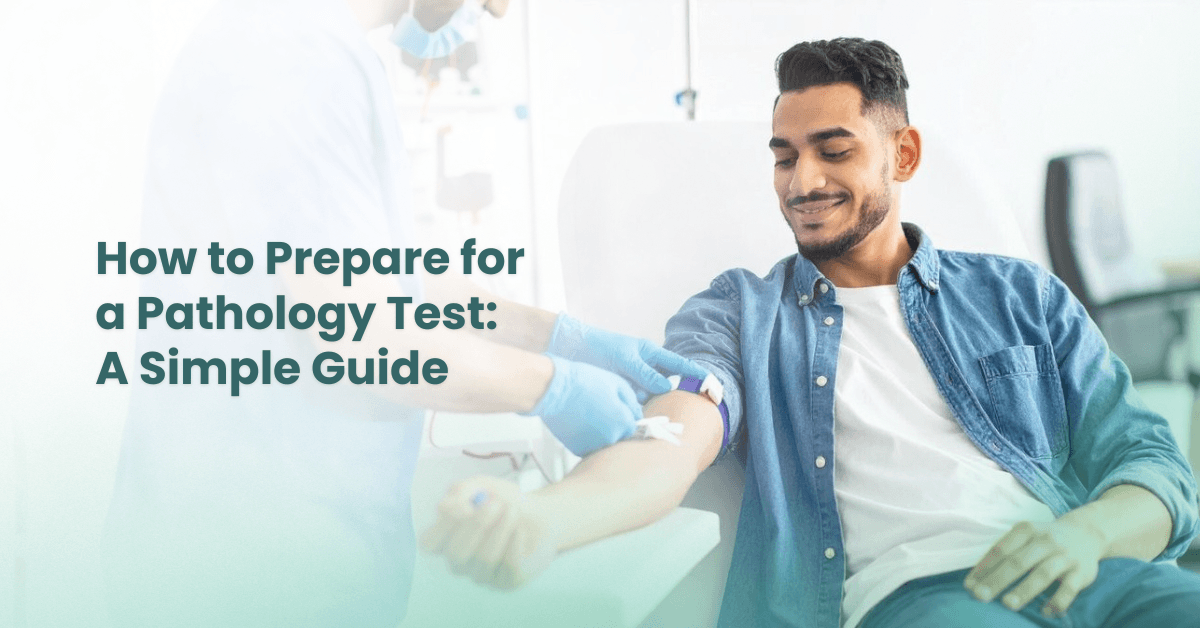
Pathology tests play an essential role in modern healthcare. Whether your GP has requested a routine blood test, cholesterol screening, diabetes check, or another form of pathology testing, the results help provide valuable information about your overall health and guide appropriate medical care.
Many patients feel unsure about how to prepare for a pathology appointment. Questions such as “Do I need to fast?”, “Can I take my medication?”, or “What should I bring?” are very common.
The good news is that preparing for most pathology tests is straightforward. Understanding what’s required before your appointment can help ensure accurate results and make the process much smoother.
What Is Pathology Testing?
Pathology testing refers to laboratory analysis of samples collected from the body to help diagnose, monitor or prevent medical conditions.
Depending on your healthcare needs, your GP may request tests involving:
- Blood
- Urine
- Stool
- Swabs
- Tissue samples
These tests provide important information that often cannot be determined through symptoms or a physical examination alone.
Pathology testing is commonly used to:
- Investigate symptoms
- Monitor chronic medical conditions
- Assess general health
- Detect nutritional deficiencies
- Screen for certain diseases
- Check the effectiveness of treatments
- Support preventive healthcare
Many conditions can be detected early through routine diagnostic screening before symptoms develop.
Why Has My GP Requested a Pathology Test?
Your GP recommends pathology tests based on your individual health circumstances.
Common reasons include:
- Annual health assessments
- Cholesterol testing
- Liver and kidney function tests
- Iron studies
- Thyroid function tests
- Vitamin deficiency checks
- Hormone testing
- Infection investigations
- Pregnancy-related testing
Sometimes pathology testing is used simply to confirm that everything is functioning normally, even if you’re feeling well.
Understanding Your Pathology Request Form
Before attending your appointment, you’ll usually receive a pathology request form from your GP.
This form tells the pathology provider exactly which tests have been requested.
It may also include special instructions, such as:
- Whether fasting is required
- Preferred collection times
- Whether multiple samples are needed
- Any specific preparation requirements
Always bring your pathology request form with you unless your clinic has arranged electronic referrals.
If you’re unsure about any instructions, contact your GP or pathology provider before your appointment.
Do I Need to Fast Before a Blood Test?
One of the most common questions patients ask is whether fasting is necessary.
The answer depends entirely on the specific tests your doctor has requested.
Certain blood tests such as fasting blood glucose or some cholesterol tests may require fasting beforehand.
Other tests do not.
If fasting is required, your GP or pathology provider will usually advise you to:
- Avoid eating for 8 to 12 hours before your test
- Drink plain water during the fasting period
- Avoid tea, coffee, juice, soft drinks and chewing gum unless advised otherwise
Water is generally encouraged because it helps maintain hydration and may make blood collection easier.
Never fast unless you’ve specifically been instructed to do so.
Can I Take My Regular Medications?
For most routine pathology tests, you should continue taking your medications as prescribed.
However, some medications may affect particular blood tests.
Your GP will advise you if any medications need to be temporarily adjusted before testing.
Never stop prescription medication without medical advice.
If you’re unsure, ask your GP or pharmacist before your appointment.
Stay Well Hydrated
Being well hydrated before your appointment can make blood collection easier.
Drinking water beforehand may:
- Make veins easier to locate
- Reduce the chance of repeated needle attempts
- Improve comfort during the procedure
Unless you’ve been specifically advised to restrict fluids, drinking water before your appointment is generally recommended.
Wear Comfortable Clothing
Simple clothing choices can make your appointment easier.
Consider wearing:
- Short sleeves
- Loose-fitting sleeves
- Clothing that allows easy access to your arm
This can help make the blood collection process quicker and more comfortable.
What Happens During a Blood Test?
Many pathology appointments are completed within just a few minutes.
A healthcare professional will:
- Confirm your identity.
- Review your pathology request form.
- Apply a tourniquet to your upper arm.
- Clean the collection site.
- Insert a small needle into a vein.
- Collect the required blood samples.
- Remove the needle and apply gentle pressure.
Most people experience only mild discomfort that lasts a few seconds.
Afterwards, you’ll usually be asked to keep pressure on the site for a short time before leaving.
Are There Any Side Effects?
Most people experience no significant problems after routine pathology testing.
Some minor side effects may include:
- Mild bruising
- Slight tenderness
- Temporary dizziness
- Small amount of bleeding
These usually resolve quickly.
If you feel light-headed after your blood test, let the pathology staff know immediately so they can assist you.
Tips for People Who Feel Nervous About Blood Tests
It’s completely normal to feel anxious before having blood taken.
If needles make you uncomfortable, consider:
- Letting the collector know beforehand
- Looking away during the procedure
- Taking slow, steady breaths
- Staying well hydrated
- Bringing someone with you if appropriate
Experienced pathology staff regularly care for patients who feel anxious and will do their best to make the experience as comfortable as possible.
Other Types of Pathology Testing
Not every pathology test involves a blood sample.
Your GP may request:
Urine Tests
You may be asked to collect a midstream urine sample in a sterile container provided by the pathology clinic.
Stool Samples
Some digestive investigations require stool samples collected at home using a collection kit.
Swabs
Swabs may be used to diagnose infections affecting the throat, nose, skin or other areas.
Each test has its own preparation instructions, so always follow the guidance provided.
When Will I Receive My Results?
Most pathology results become available within a few days, although some specialised tests may take longer.
Your results are generally sent directly to the GP who requested the test.
Rather than interpreting results yourself, arrange a follow-up appointment with your GP.
Your doctor will:
- Explain what the results mean
- Discuss whether further testing is needed
- Recommend treatment if appropriate
- Answer any questions you may have
Even results marked as “abnormal” are not necessarily a sign of serious illness, which is why professional interpretation is important.
Why Regular Diagnostic Screening Matters
Many health conditions develop gradually and may not cause symptoms in their early stages.
Routine diagnostic screening can help identify conditions such as:
- Diabetes
- High cholesterol
- Kidney disease
- Liver disease
- Thyroid disorders
- Iron deficiency
- Vitamin deficiencies
Early detection often allows treatment or lifestyle changes to begin sooner, helping support better long-term health outcomes.
Pathology Testing at Botanic Ridge Doctors
At Botanic Ridge Doctors, our experienced GPs use pathology testing to support accurate diagnosis, monitor ongoing health conditions and assist with preventive healthcare.
Whether you require a routine blood test, chronic disease monitoring or investigation of new symptoms, we’re here to help guide you through the process and explain your results clearly.
If you’ve been advised to have pathology testing, speak with our team about the most appropriate next steps for your healthcare.
Preparing for pathology testing is usually simple, but following your GP’s instructions carefully helps ensure the most accurate results. Bringing your pathology request form, staying hydrated, understanding whether fasting is required and attending your follow-up appointment are all important parts of the process.
If you have questions before your test, don’t hesitate to speak with your GP. Clear communication and appropriate preparation help make pathology testing a valuable tool in maintaining your long-term health
FAQs
Do I need to fast before every blood test?
No. Only certain blood tests require fasting. Always follow the instructions provided by your GP or pathology provider.
What should I bring to my pathology appointment?
Bring your pathology request form (if applicable), Medicare card, identification if required, and any paperwork provided by your GP.
Can I drink water before a blood test?
In most cases, yes. Drinking water is generally encouraged unless you’ve been specifically instructed otherwise.
How long does a blood test take?
Most routine blood collection appointments take around 5 to 10 minutes, although waiting times may vary.
When will my pathology results be available?
Many routine test results are available within a few days, while specialised tests may take longer. Your GP will discuss your results with you.
Can pathology tests detect health problems before symptoms appear?
Yes. Many routine pathology tests help identify health conditions early, allowing timely treatment and ongoing monitoring where needed.
References
- NSW Health Pathology. Preparing for Your Test.
https://www.pathology.health.nsw.gov.au/patients-and-consumers/preparing-for-your-test
- Sullivan Nicolaides Pathology. Patient Information – Preparing for Your Test.
https://www.snp.com.au/patients/patient-resources/
- Melbourne Pathology. Patient Information.
https://www.mps.com.au/patients/