
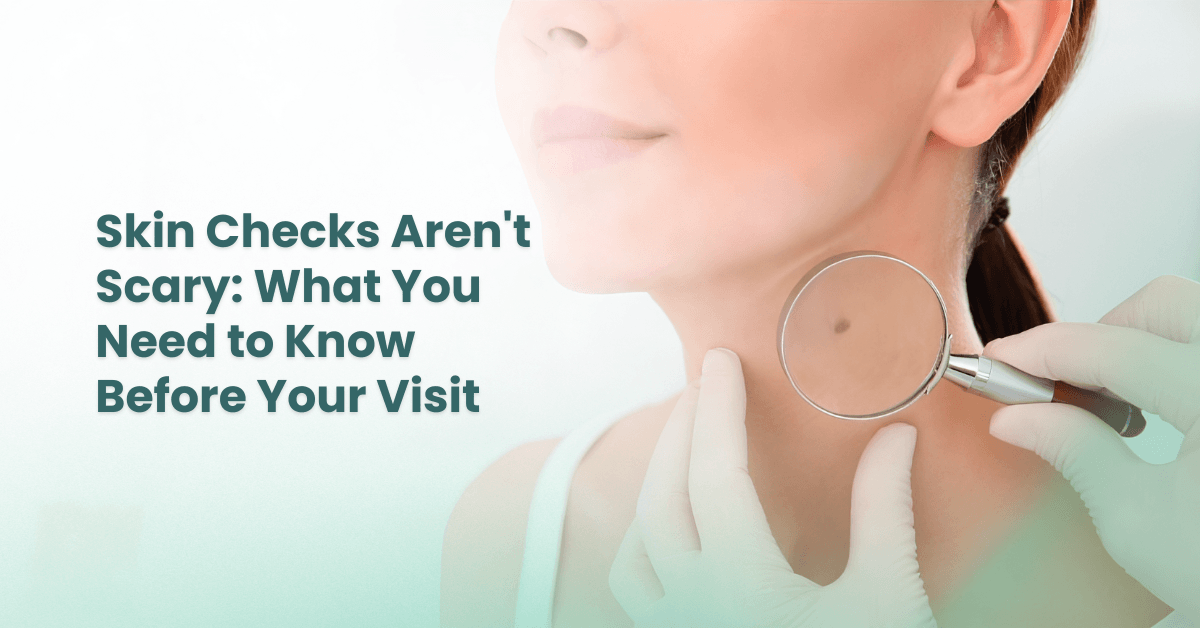
For many Australians, the words “skin check” can feel intimidating. Some people worry about what might be found, while others feel uncertain about what actually happens during the appointment. The reality is that skin checks are straightforward, painless and designed to give you peace of mind.
Australia has one of the highest rates of skin cancer in the world, making regular skin examinations an important part of looking after your health. Whether you’re concerned about a changing mole, have noticed a new spot, or simply want reassurance, a professional skin check allows your GP to assess your skin thoroughly and recommend any further care if needed.
Understanding what to expect before your appointment can help make the experience much less daunting.
What Is a Skin Check?
A skin check is a comprehensive skin examination performed by a trained healthcare professional to assess your skin for any unusual spots, moles or changes that may require further investigation.
The aim is to identify skin cancers and other skin conditions as early as possible, when treatment is often simpler and more effective.
Your GP will examine areas of your skin that are exposed to the sun, as well as areas that receive little sun exposure, because skin cancers can develop almost anywhere on the body.
A skin check is suitable for people of all ages, particularly those who spend time outdoors or have other risk factors for skin cancer.
Why Are Skin Checks Important?
Skin cancer is common in Australia, but early detection can make a significant difference.
Many skin cancers develop gradually and may not cause pain or other noticeable symptoms in their early stages. Some changes can be subtle and difficult to recognise without professional assessment.
Regular skin cancer screening can help identify suspicious lesions before they become more advanced.
Early assessment may also help distinguish harmless skin changes from those that require further investigation, reducing unnecessary worry while ensuring appropriate care when needed.
What Happens During a Skin Examination?
If you’ve never had a skin check before, you may be surprised by how simple the appointment is.
Your GP will usually begin by asking about:
- Your medical history
- Previous skin cancers or treatments
- Family history of skin cancer
- Sun exposure
- Any spots that concern you
They will then carefully examine your skin from head to toe.
Depending on the reason for your visit, this may include examining:
- Face and scalp
- Neck
- Arms and hands
- Chest and back
- Abdomen
- Legs and feet
Your GP may use a dermatoscope, a specialised handheld instrument that allows a closer view of skin structures not visible to the naked eye.
The examination is painless and usually takes around 15 to 30 minutes, depending on whether a full-body assessment is being performed.
Should I Point Out Any Spots That Concern Me?
Absolutely.
Even if you’re attending for a routine skin examination, let your GP know if you’ve noticed:
- A new mole
- A changing mole
- A sore that doesn’t heal
- A spot that bleeds easily
- Persistent itching
- A rapidly growing lesion
- Any skin change that concerns you
You know your skin better than anyone else, and your observations are valuable during the assessment.
When Should You Book Skin Checks?
Regular skin checks are recommended for many Australians, particularly if you have one or more risk factors.
You may benefit from regular assessments if you:
- Have fair skin
- Have had frequent sunburns
- Spend significant time outdoors
- Have numerous moles
- Have a personal history of skin cancer
- Have a family history of melanoma
- Have a weakened immune system
- Notice a changing skin lesion
Your GP can recommend how often you should have your skin checked based on your individual level of risk.
Skin Checks Aren’t Just About Skin Cancer
Although detecting skin cancer is an important goal, skin examinations can also identify many other skin conditions.
Your GP may assess concerns such as:
- Benign moles
- Age spots
- Seborrhoeic keratoses
- Sun damage
- Cysts
- Warts
- Skin infections
- Rashes
- Eczema
- Psoriasis
If you’ve been searching for a skin rash doctor, a GP can assess many common skin conditions and recommend appropriate treatment or referral if required.
How to Prepare for Your Appointment
Preparing for a skin check is simple.
Before your appointment:
- Remove nail polish if you’re having a full skin examination.
- Avoid wearing heavy makeup where possible.
- Wear comfortable clothing that’s easy to remove if required.
- Make a note of any skin changes you’ve noticed.
- Bring details of previous skin treatments if relevant.
Some patients also find it helpful to take photos of changing lesions over time, particularly if changes have occurred gradually.
What If Something Suspicious Is Found?
Finding a suspicious spot does not automatically mean you have skin cancer.
Many skin lesions turn out to be harmless after assessment.
If your GP identifies an area that requires further investigation, they will explain the next steps, which may include:
- Monitoring the lesion
- Taking clinical photographs
- Arranging a biopsy
- Performing a minor procedure
- Referring you to a dermatologist if appropriate
Your GP will discuss the most suitable management plan based on your individual circumstances.
Looking After Your Skin Between Appointments
Regular skin checks work best alongside everyday sun protection.
Simple ways to care for your skin include:
- Wearing broad-spectrum sunscreen
- Reapplying sunscreen as directed
- Wearing protective clothing
- Using a wide-brimmed hat
- Wearing sunglasses
- Seeking shade during peak UV periods
- Avoiding unnecessary sun exposure
It’s also helpful to become familiar with your own skin by performing regular self-checks so you can identify new or changing spots.
Skin Checks at Botanic Ridge Doctors
At Botanic Ridge Doctors, we understand that many patients feel nervous before their first skin examination.
Our experienced GPs provide thorough, respectful and professional skin checks in a comfortable clinical environment. Whether you have concerns about a changing mole, a persistent skin lesion or simply wish to stay proactive about your health, we’re here to support you with personalised care and evidence-based advice.
If you have noticed any changes to your skin or would like reassurance through a professional examination, we encourage you to book an appointment with our team.
Frequently Asked Questions
Are skin checks painful?
No. A skin examination is completely non-invasive and painless. Your GP simply examines your skin visually and may use a dermatoscope for a closer assessment.
How long does a skin check take?
Most appointments take between 15 and 30 minutes, depending on whether you’re having a spot check or a full-body skin examination.
Do I need a skin check if I don’t have any symptoms?
Yes. Many skin cancers develop without causing pain or other symptoms. Regular skin checks may help identify changes early.
What should I wear to a skin examination?
Wear comfortable clothing that’s easy to remove if you’re having a full-body examination.
Can my GP assess skin rashes as well?
Yes. GPs regularly diagnose and manage many common skin conditions, including rashes, eczema, infections and psoriasis. They can also refer you to a dermatologist if specialised care is needed.
How often should I have a skin check?
The recommended frequency depends on your personal risk factors. Your GP can advise how often skin examinations are appropriate for you.
The Bottom Line
Skin checks are quick, straightforward and designed to provide reassurance as well as early detection of skin cancer and other skin conditions. They are an important part of preventive healthcare for many Australians and can help identify concerning changes before they become more serious.
If you’ve noticed a new or changing spot or simply haven’t had your skin examined for some time, speaking with your GP is a positive step towards protecting your long-term skin health.
References
- Cancer Council Australia. Skin Cancer Prevention and Early Detection.
https://www.cancer.org.au/cancer-information/causes-and-prevention/sun-safety
- Royal Australian College of General Practitioners (RACGP). Prevention and Early Detection of Skin Cancer.
https://www.racgp.org.au/clinical-resources/clinical-guidelines
- Better Health Channel. Skin Cancer.
https://www.betterhealth.vic.gov.au/health/conditionsandtreatments/skin-cancer
- SunSmart Australia. Know Your Skin.
https://www.sunsmart.com.au