
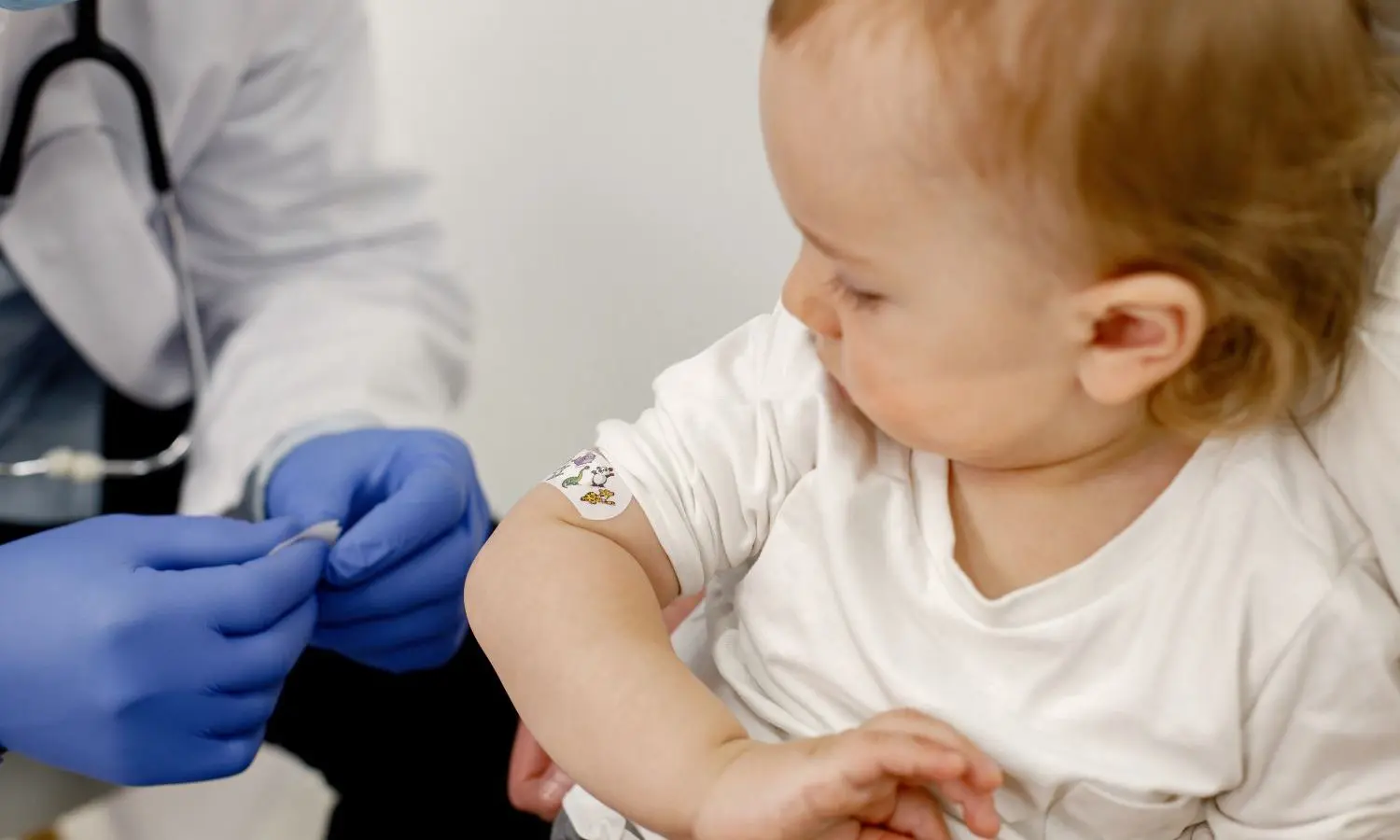
Childhood immunisation protects children against serious infectious diseases through vaccines given at specific ages, from birth through early childhood and adolescence. In Australia, the National Immunisation Program (NIP) funds routine vaccines for eligible children, with appointments commonly scheduled at birth, 2, 4 and 6 months, 12 and 18 months, 4 years, and during adolescence.
Following the recommended childhood immunisation schedule in Australia helps children receive protection when they need it most. Your GP or immunisation provider can check your child’s vaccination history and explain which vaccines are due.
This guide is for general information and should be checked against the latest Australian Government schedule before publication. Individual recommendations may differ according to age, medical history and eligibility.
Why Is Childhood Immunisation Important?
Childhood immunisation helps the immune system recognise specific infections and develop protection against them. Vaccines reduce the risk of serious illness and complications from diseases such as whooping cough, measles, polio, hepatitis B and pneumococcal disease.
Babies and young children can be particularly vulnerable to certain infections. Following the recommended schedule helps provide protection at the appropriate ages, while high vaccination coverage also helps reduce the spread of vaccine-preventable diseases in the community.
Routine NIP vaccines are funded for eligible children who have, or are eligible for, a Medicare card. A clinic may still charge a consultation fee, so confirm any costs when booking. [CHECK: Confirm the clinic’s current billing arrangements for childhood immunisation.]
The 2026 Childhood Immunisation Schedule at a Glance
Australia’s National Immunisation Program sets out the recommended ages for routine childhood vaccines. The main milestones run from birth to 4 years, followed by adolescent vaccination programs, while annual influenza vaccination and additional vaccines may apply to eligible children.
The table below summarises the main milestones. It is a general guide rather than an individual vaccination plan; your provider should confirm the vaccines and timing that apply to your child. See the Australian Government’s National Immunisation Program Schedule for the current official guidance.
| Age or milestone | Main routine vaccines or protection |
|---|---|
| Birth | Hepatitis B |
| 2 months | Diphtheria, tetanus, whooping cough, hepatitis B, polio, Hib, rotavirus and pneumococcal disease |
| 4 months | Further doses covering the routine infant vaccine schedule, including rotavirus and pneumococcal vaccines |
| 6 months | Further doses of the routine infant combination vaccine; additional vaccines may apply to eligible children |
| From 6 months | Annual influenza vaccination |
| 12 months | Measles, mumps and rubella (MMR), meningococcal ACWY and pneumococcal vaccines |
| 18 months | Hib, MMR-varicella, and diphtheria, tetanus and whooping cough vaccines |
| 4 years | Diphtheria, tetanus, whooping cough and polio booster |
| Adolescence | HPV, diphtheria-tetanus-whooping cough and meningococcal ACWY vaccines, according to the current schedule |
Additional funded vaccines may be recommended for Aboriginal and Torres Strait Islander children, children with specified medical risk conditions, and children who need catch-up vaccination. The exact schedule can also depend on previous doses and current clinical guidance.
Childhood Vaccines at Birth
The hepatitis B vaccine is routinely offered soon after birth, usually in hospital. This early dose helps protect babies against hepatitis B, a viral infection that can cause liver disease and long-term complications.
Hepatitis B vaccination forms part of the routine childhood schedule. If your baby did not receive the birth dose, ask your GP or immunisation provider what should happen next rather than assuming it is too late.
Childhood Vaccines at 2 Months
The 2-month appointment begins an important stage of routine infant immunisation. Vaccines at this milestone protect against several serious infections, and some can generally be given from 6 weeks of age, subject to the applicable schedule and clinical advice.
Routine protection includes:
- Diphtheria, tetanus and pertussis (whooping cough)
- Hepatitis B
- Polio
- Haemophilus influenzae type b (Hib)
- Rotavirus
- Pneumococcal disease
Meningococcal B vaccination is also funded at this milestone for eligible Aboriginal and Torres Strait Islander children. Rotavirus vaccines have strict age limits, so book appointments promptly and ask your provider for advice if a dose has been delayed.
Childhood Vaccines at 4 Months
At 4 months, babies receive further doses to build protection started during the earlier appointment. These vaccines continue the routine infant schedule, including protection against diphtheria, tetanus, whooping cough, hepatitis B, polio, Hib, rotavirus and pneumococcal disease.
Eligible Aboriginal and Torres Strait Islander children may also receive meningococcal B vaccination under the funded schedule. The timing of rotavirus doses is particularly important because these vaccines must be administered within specific age limits. If an appointment has been missed, contact your provider promptly for individual guidance.
Childhood Vaccines at 6 Months
The 6-month appointment includes another dose of the routine combination vaccine covering diseases such as diphtheria, tetanus, whooping cough, hepatitis B, polio and Hib. Additional pneumococcal vaccination may be funded for Aboriginal and Torres Strait Islander children and children with specified medical risk conditions.
Some children may require further vaccines because of individual risk factors. Your GP can review your child’s medical history and previous doses to confirm the appropriate schedule.
Annual Influenza Vaccination From 6 Months
Annual influenza vaccination helps protect children against seasonal flu and its possible complications. Under the National Immunisation Program, influenza vaccination is funded for all children aged 6 months to under 5 years, with funded vaccination also available for certain older children who meet eligibility criteria.
Children receiving an influenza vaccine for the first time may need two doses at least 4 weeks apart, depending on their age and vaccination history. Recommendations and vaccine products can change between seasons, so ask your immunisation provider which vaccine and dose schedule is appropriate for your child.
Childhood Vaccines at 12 Months
The 12-month appointment includes vaccines against measles, mumps and rubella, meningococcal ACWY disease, and pneumococcal disease. Eligible Aboriginal and Torres Strait Islander children also receive meningococcal B vaccination under the routine funded schedule.
Measles is highly contagious and can cause serious complications, making timely vaccination important. Your provider can confirm which vaccines are due and whether any additional doses are recommended for your child.
Childhood Vaccines at 18 Months
At 18 months, routine vaccination includes protection against Hib, measles, mumps, rubella, chickenpox, diphtheria, tetanus and whooping cough. The combination vaccine covering measles, mumps, rubella and varicella is commonly called MMRV.
Eligible Aboriginal and Torres Strait Islander children living in Queensland, Western Australia, South Australia or the Northern Territory may also be eligible for hepatitis A vaccination under the funded program. Eligibility and the number of doses depend on the current schedule and previous vaccination history.
Childhood Vaccines at 4 Years
The 4-year appointment provides a booster against diphtheria, tetanus, whooping cough and polio. This strengthens protection developed through earlier childhood doses and is an important milestone before children continue through school.
Some children may qualify for additional vaccines or catch-up doses based on their medical circumstances and vaccination records. Ask your GP to check your child’s immunisation history if a previous appointment was missed or you are unsure whether the booster has been completed.
Adolescent Immunisation: School-Age Vaccines
Adolescent vaccination programs help protect young people against diseases that remain important during the teenage years. In Australia, school-based programs commonly include HPV vaccination and a diphtheria-tetanus-whooping cough booster around Year 7, followed by meningococcal ACWY vaccination around Year 10.
The exact delivery arrangements can vary by state, territory and school. Check consent forms and local school health information, and ask your GP about catch-up options if your child missed a school vaccination.
HPV vaccination
Human papillomavirus (HPV) vaccination helps protect against HPV infections that can cause several cancers and other health problems. The routine adolescent program generally offers a single dose to eligible young people, while some people with particular medical circumstances may need a different schedule.
Eligible people can access funded HPV catch-up vaccination up to and including 25 years of age. Confirm the current recommendations with your vaccination provider if a dose was missed or your child has a medical condition affecting their vaccination schedule.
Diphtheria, tetanus and whooping cough booster
A booster during adolescence helps maintain protection against diphtheria, tetanus and pertussis. It is commonly delivered through the school vaccination program, alongside other recommended adolescent vaccines.
If your child was absent on vaccination day or the school program was missed, contact your GP or local immunisation service to discuss catch-up vaccination.
Meningococcal ACWY vaccination
Meningococcal ACWY vaccination is offered through the adolescent schedule to help protect against disease caused by four meningococcal groups. It is commonly delivered through school-based vaccination programs around Year 10.
School arrangements and catch-up pathways can vary. Check your state’s current program and ask your provider to confirm whether your teenager has received the recommended dose.
What Should You Expect on Vaccination Day?
A childhood immunisation appointment usually includes a brief review of your child’s health, vaccination history and any previous reactions. Your GP or nurse will confirm which vaccines are due and discuss any relevant precautions before vaccination.
You may be asked about:
- Your child’s general health and recent illness
- Previous vaccinations and any reactions
- Allergies and current medicines
- Medical conditions that may affect vaccination
- Any available overseas or historical vaccination records
Several vaccines can often be given safely during the same appointment. Combination vaccines and same-day administration can reduce the number of visits needed, while your healthcare professional checks that the proposed vaccines are appropriate.
A mild cold does not always mean vaccination must be postponed. Tell the clinic how your child is feeling so the vaccination provider can assess whether to proceed.
How Can You Help Your Child Feel More Comfortable?
Comfort and reassurance can make vaccination less stressful for children and parents. Simple preparation, a calm approach and age-appropriate distraction can help children feel supported before, during and after their appointment.
For babies, consider:
- Holding them securely and comfortably
- Breastfeeding or feeding during or shortly after vaccination when appropriate
- Bringing a familiar comfort item
- Dressing them in clothing that allows easy access to the injection site
For toddlers and older children, explain what will happen in simple, honest language. A favourite toy, story, video or conversation can provide distraction, and praise afterwards can help reinforce a positive experience.
Avoid promising that an injection will not hurt. Instead, acknowledge that it may be uncomfortable and reassure your child that you will stay with them.
What Side Effects Are Normal After Childhood Vaccination?
Most vaccine side effects are mild and settle within a few days. Common reactions include soreness, redness or swelling at the injection site, mild fever, tiredness, irritability and reduced appetite.
Some vaccines can cause delayed reactions, such as a mild fever or rash several days after a measles-containing or chickenpox-containing vaccine. Your vaccination provider should explain which reactions may occur after your child’s specific vaccines and when you should seek advice.
If a symptom is severe, unusual or worsening, contact a healthcare professional rather than assuming it is a normal vaccine reaction.
How Can You Ease Post-Vaccine Discomfort?
Rest, fluids and comfort are usually helpful when a child feels unsettled after vaccination. Monitor your child, offer drinks or feeds as appropriate, and use a cool, damp cloth on a sore injection site if needed.
You can also:
- Allow extra rest if your child seems tired.
- Dress your child comfortably and avoid overheating.
- Avoid rubbing the injection site.
- Ask your GP, nurse or pharmacist before giving medicine, and follow the correct dose for your child.
Paracetamol is not routinely required before every childhood vaccine. Preventive paracetamol is specifically recommended in certain circumstances with meningococcal B vaccination in young children; follow the timing and dose instructions provided by your immunisation provider.
When Should You Seek Medical Advice?
Contact your GP or seek medical advice if your child has symptoms that concern you, such as persistent fever, poor feeding, signs of dehydration, worsening swelling, unusual lethargy or symptoms that last longer than expected. Your child’s age, medical history and the vaccine received can affect what advice is appropriate.
Call 000 immediately if your child has difficulty breathing, swelling of the face or throat, collapses, becomes unresponsive or shows signs of a severe allergic reaction. Serious reactions are rare, but these symptoms require urgent assessment.
If you are unsure whether a reaction is expected, contact your healthcare professional for advice.
What If Your Child Has Missed a Vaccination?
Most missed childhood vaccinations can be addressed through a catch-up schedule, and a vaccine course usually does not need to be restarted from the beginning. A GP or immunisation provider can review the Australian Immunisation Register and work out the appropriate doses and intervals.
Bring any available vaccination records, including overseas records, to the appointment. Your provider will consider your child’s age, vaccines already received, minimum intervals, medical risk factors and current eligibility rules.
Many catch-up vaccines are funded for eligible people under 20 years of age, while HPV catch-up vaccination is funded for eligible people up to and including 25 years of age. Check the current program for eligibility and any exceptions.
How Can You Check Your Child’s Immunisation Record?
The Australian Immunisation Register (AIR) records vaccinations given in Australia and can help families identify missed doses. Parents and carers can access an immunisation history statement through Medicare online services linked to myGov or the Express Plus Medicare app.
To check your child’s record:
- Sign in to your Medicare online account through myGov or the Medicare app.
- Find your child’s immunisation history statement.
- Review the recorded vaccines and dates.
- Contact your GP or immunisation provider if information appears missing or incorrect.
The statement may be needed for childcare, kindergarten or school-related requirements. If your child has received vaccines overseas or the record is incomplete, bring any supporting documentation to your appointment so the provider can review it.
Childhood Immunisation at Botanic Ridge Doctors
Botanic Ridge Doctors provides childhood immunisation and catch-up vaccination support for families in Botanic Ridge, Victoria. The clinical team can review your child’s vaccination record, explain which vaccines are due and discuss questions about routine immunisation.
If your child has missed a dose, has a medical condition or has previously experienced a vaccine reaction, speak with the clinic so the team can advise on the next appropriate step. Visit the Immunisations and Vaccinations service page for service information and appointment options.
You can also read our guide to understanding the childhood immunisation schedule in Australia for a broader overview of routine vaccine milestones.
For personalised advice, contact your GP or immunisation provider. This article is general information and does not replace medical assessment or the latest official vaccination guidance.
FAQs
1. Where can I find the official childhood immunisation schedule for Australia?
The Australian Government publishes the National Immunisation Program Schedule, including recommended vaccine milestones and eligibility information. Check the official schedule for the latest guidance, as recommendations can change.
2. Does my child need extra vaccines if we are travelling overseas?
Travel may affect which additional vaccines are recommended, depending on the destination, duration of travel, activities and your child’s age. Arrange a travel health consultation well before departure so a healthcare professional can review routine vaccinations and any additional requirements.
3. Can I get my child’s immunisation history if we have moved to Australia?
You can ask your GP or immunisation provider to review any available Australian Immunisation Register records and assess overseas vaccination documents. Overseas doses may need to be evaluated against Australian recommendations before your child’s record can be updated or a catch-up plan prepared.
4. What if my child has a medical condition that affects vaccination?
Some medical conditions can change which vaccines are recommended, when they should be given or whether additional doses are needed. Tell your GP about your child’s medical history and medicines so the vaccination plan can be assessed individually.
References
- Australian Government Department of Health, Disability and Ageing. National Immunisation Program Schedule — Current from June 2026.
https://www.health.gov.au/sites/default/files/2026-06/national-immunisation-program-schedule.pdf - Australian Government Department of Health, Disability and Ageing. Childhood Immunisation.
https://www.health.gov.au/childhood-immunisation - Australian Immunisation Handbook. Clinical Recommendations and Vaccine Guidance.
https://immunisationhandbook.health.gov.au/ - Healthdirect Australia. Immunisation and Vaccinations for Your Child.
https://www.healthdirect.gov.au/immunisation-and-vaccinations-for-your-child - Healthdirect Australia. Immunisation Side Effects.
https://www.healthdirect.gov.au/immunisation-side-effects - Services Australia. Australian Immunisation Register.
https://www.servicesaustralia.gov.au/australian-immunisation-register