
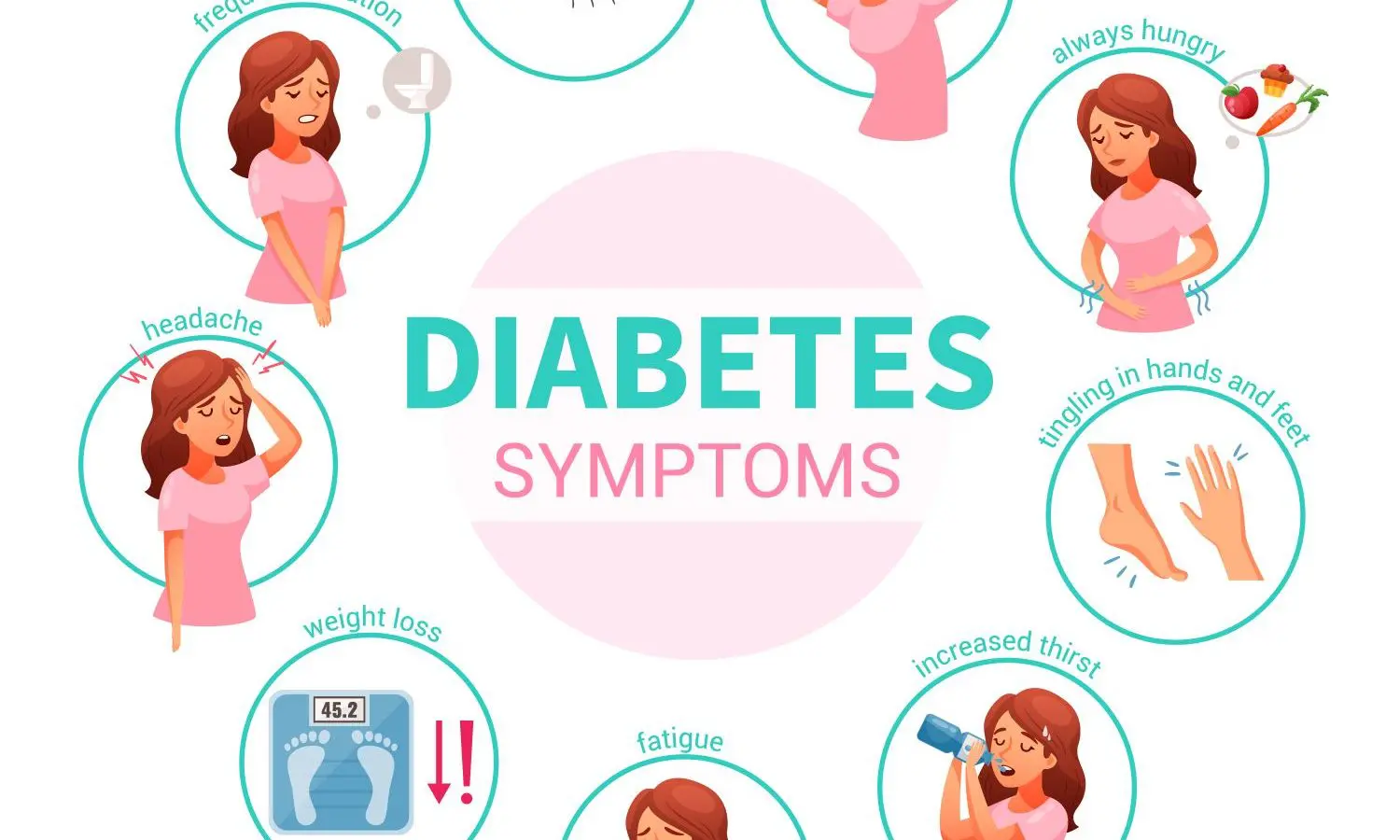
Having a parent or sibling with type 2 diabetes increases your risk of developing the condition, but it does not mean you will inevitably develop diabetes. Screening can identify elevated blood glucose levels before obvious symptoms appear, helping you and your GP decide whether further testing, lifestyle changes or treatment may be appropriate.
If diabetes runs in your family, understanding your risk factors and knowing when to arrange a health check can help you take proactive steps towards protecting your long-term health.
Why Does Family History Matter?
A family history of type 2 diabetes increases your risk because of a combination of genetic, lifestyle and environmental factors. Close relatives may share genes that influence insulin production or how the body responds to insulin. Families may also share eating habits, activity patterns and other environmental influences that affect metabolic health.
Having a family history does not guarantee that you will develop diabetes. However, it is a useful reason to discuss your individual risk and appropriate screening with your GP.
Other Factors That Increase Your Diabetes Risk
Family history is only one factor in type 2 diabetes risk; age, physical activity, weight and other health conditions also matter. Your GP can consider these factors together rather than assessing your risk based on family history alone.
Other recognised risk factors include:
- Being overweight or living with obesity.
- Doing little regular physical activity.
- Having high blood pressure or abnormal cholesterol levels.
- Having previously experienced gestational diabetes.
- Having polycystic ovary syndrome (PCOS).
- Increasing age.
- Smoking.
- Belonging to a population group with a higher prevalence of type 2 diabetes, including Aboriginal and Torres Strait Islander peoples.
Having several risk factors may increase the importance of discussing screening with your GP. Your personal circumstances will help determine the most appropriate next steps.
Can Diabetes Develop Without Symptoms?
Yes. Type 2 diabetes can develop gradually, and some people have no noticeable symptoms in its early stages. This is one reason screening matters for people with a family history or other risk factors, even when they feel well.
When symptoms occur, they may include:
- Increased thirst.
- Passing urine more frequently.
- Feeling unusually tired.
- Blurred vision.
- Cuts or wounds that heal slowly.
- Frequent infections.
- Unexplained weight loss.
These symptoms can have causes other than diabetes, so they should be assessed by a healthcare professional. If symptoms are severe, develop quickly or are accompanied by vomiting, dehydration or confusion, seek urgent medical care.
When Should You Get Screened for Diabetes?
If you have a parent or sibling with type 2 diabetes, speak with your GP about when screening is appropriate for you. Testing recommendations depend on factors such as your age, medical history, symptoms, pregnancy history and other risk factors.
Your GP may recommend screening if you:
- Have a close relative with type 2 diabetes.
- Are in an age group for which screening is recommended.
- Have several diabetes risk factors.
- Have previously had gestational diabetes.
- Have been told you have prediabetes.
- Meet applicable screening recommendations for Aboriginal or Torres Strait Islander peoples.
- Have symptoms that could indicate elevated blood glucose.
There is no single screening schedule that suits everyone. Your GP can assess your circumstances and recommend whether you need testing now, repeat testing later or additional investigations.
What Is an HbA1c Test?
An HbA1c blood test measures your average blood glucose levels over approximately the previous two to three months. It is used to help diagnose type 2 diabetes and monitor blood glucose management in people who have already been diagnosed.
Depending on your circumstances, your GP may use HbA1c alongside other blood glucose tests. The appropriate test and interpretation depend on your medical history and relevant clinical guidelines.
An HbA1c result can help identify whether your blood glucose levels are within the expected range or require further assessment. Your GP will explain what your result means and whether repeat testing or follow-up is needed.
For information about the care available at the clinic, visit the General Practice service page.
Why Is Early Diabetes Detection Important?
Identifying type 2 diabetes early gives you and your healthcare team an opportunity to manage blood glucose levels and reduce the risk of complications. Diabetes can affect several parts of the body over time, particularly when blood glucose remains above the recommended range.
Potential complications include problems affecting the:
- Heart and blood vessels.
- Kidneys.
- Eyes.
- Nerves.
- Feet.
People with prediabetes may also benefit from support with lifestyle changes and monitoring. Your GP can discuss your results, explain available options and develop a management plan suited to your health needs.
Can Type 2 Diabetes Be Prevented?
Type 2 diabetes cannot always be prevented, but healthy lifestyle changes can help reduce risk for many people. This is particularly relevant for people with prediabetes or several risk factors, although the most appropriate approach depends on individual circumstances.
Helpful habits may include:
- Choosing a balanced diet with vegetables, whole grains and other nutrient-rich foods.
- Being physically active regularly, within your abilities.
- Working towards a healthy weight if appropriate.
- Limiting sugary drinks and highly processed foods.
- Avoiding smoking.
- Managing blood pressure and cholesterol with appropriate medical support.
- Attending recommended health checks.
Small, sustainable changes are often easier to maintain than major short-term changes. Your GP can help you identify realistic steps based on your health, preferences and circumstances.
How Can Your GP Help Assess Your Diabetes Risk?
Your GP can review your family history, assess other risk factors and arrange appropriate tests to help determine your diabetes risk. A consultation can also provide an opportunity to discuss symptoms, previous test results and practical ways to support your long-term health.
Depending on your needs, your GP may:
- Review your personal and family medical history.
- Assess relevant lifestyle and medical risk factors.
- Arrange blood tests when indicated.
- Check measurements such as blood pressure and weight when appropriate.
- Discuss prevention strategies and ongoing monitoring.
- Develop a management plan if diabetes or prediabetes is identified.
If you are concerned about diabetes in your family, you can arrange a consultation through Botanic Ridge Doctors’ General Practice service. Your GP can advise whether screening is suitable and what follow-up may be needed.
A family history of type 2 diabetes increases your risk, but it does not determine your future health. Screening, including an HbA1c test when clinically appropriate, can help identify changes in blood glucose levels and guide decisions about prevention, monitoring or treatment.
If a close relative has diabetes, or you have other risk factors, speak with your GP about an appropriate screening plan. You do not need to wait for symptoms before asking about your risk.
FAQs
1. Does having a parent with diabetes mean I will develop it?
No. Having a parent or sibling with type 2 diabetes increases your risk, but genetics are only part of the picture. Lifestyle, other medical conditions and individual circumstances also influence risk.
2. Can I have diabetes without knowing it?
Yes. Type 2 diabetes can develop gradually without noticeable symptoms. Screening can identify elevated blood glucose before you recognise any changes in your health.
3. Do I need to fast before an HbA1c test?
Usually, no. An HbA1c test measures average blood glucose over approximately two to three months and does not generally require fasting. Other blood tests may have different preparation requirements, so follow your GP’s instructions.
4. What is the difference between diabetes and prediabetes?
Prediabetes means blood glucose levels are above the expected healthy range but do not meet the diagnostic criteria for diabetes. It indicates an increased risk of developing type 2 diabetes, and appropriate lifestyle changes and monitoring may help reduce that risk.
References
- Diabetes Australia. Type 2 Diabetes Risk Factors and Screening. https://www.diabetesaustralia.com.au
- Royal Australian College of General Practitioners (RACGP). Management of Type 2 Diabetes: A Handbook for General Practice. https://www.racgp.org.au
- Australian Diabetes Society. HbA1c and Diabetes Diagnosis. https://diabetessociety.com.au
- Healthdirect Australia. Type 2 Diabetes. https://www.healthdirect.gov.au/type-2-diabetes
- Australian Government Department of Health, Disability and Ageing. Diabetes. https://www.health.gov.au
- National Health and Medical Research Council (NHMRC). Australian Clinical Practice Guidelines for Diabetes. https://www.nhmrc.gov.au