
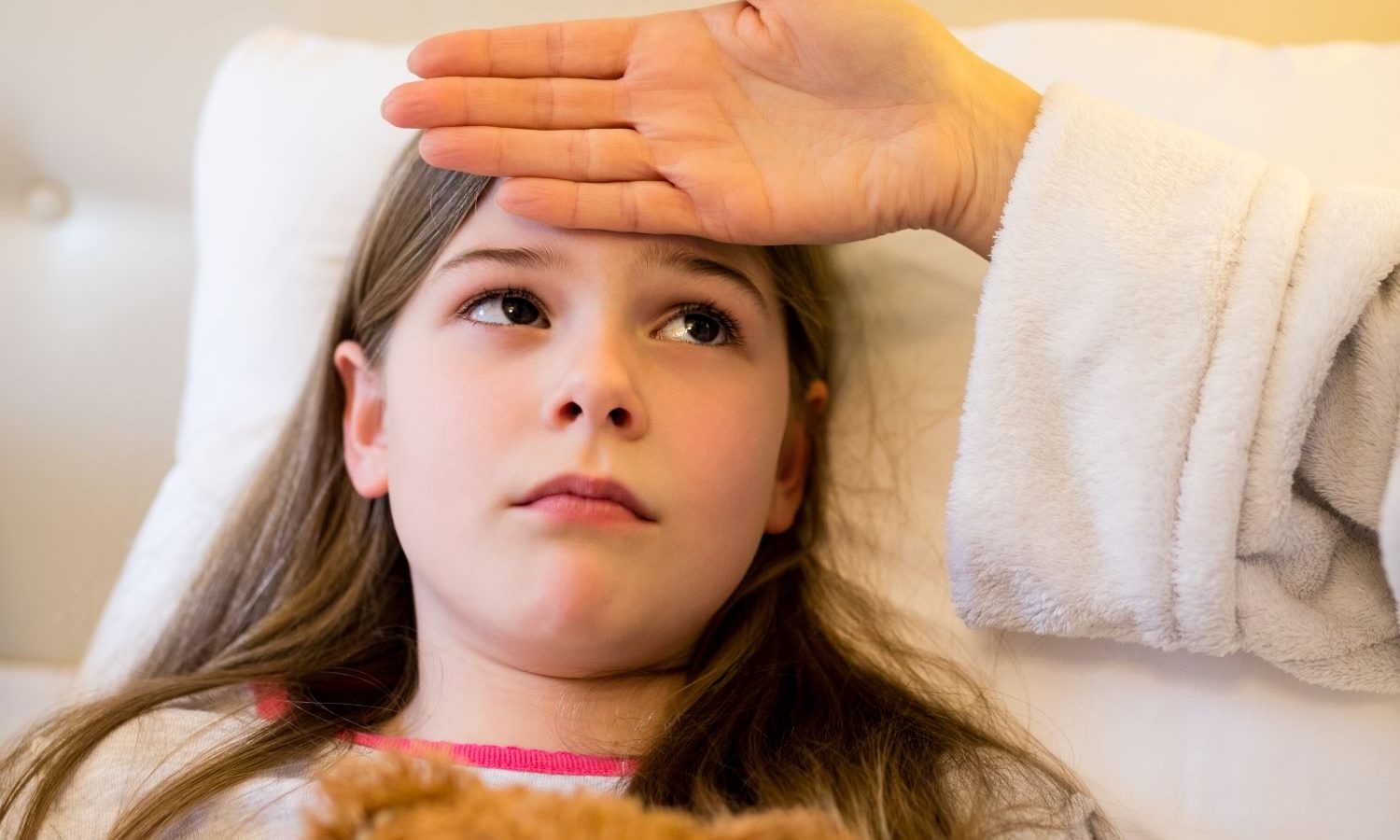
Few things worry parents more than seeing their child develop a fever. While a high temperature can be alarming, it’s important to remember that a fever is usually a sign that the body is responding to an infection, not that something is seriously wrong.
Most fevers in children are caused by common viral illnesses and improve with rest, fluids, and supportive care. However, there are times when a fever requires prompt medical assessment.
Understanding when you can safely monitor your child at home and when to seek medical advice can help you feel more confident during what is often a stressful situation.
What Is Considered a Fever?
A fever is generally defined as a body temperature of 38°C or higher.
It is a normal response of the immune system when fighting infections caused by viruses or bacteria. A fever itself is not an illness; it is a symptom.
Children often develop fevers with:
- Common colds
- Influenza (flu)
- Ear infections
- Viral gastroenteritis
- COVID-19
- Hand, foot and mouth disease
- Tonsillitis and other throat infections
Many children remain active and alert despite having a fever, while others may appear tired or unsettled.
The Number Isn’t the Whole Story
Many parents focus on how high the temperature is, but how your child looks and behaves is often more important than the exact number on the thermometer.
A child with a temperature of 39.5°C who is drinking fluids, smiling between naps and responding normally may be less concerning than a child with a lower fever who is difficult to wake, unusually drowsy or struggling to breathe.
Your GP will consider the whole clinical picture, not just the temperature reading.
Caring for a Child With a Fever at Home
For many mild illnesses, supportive care is all that is needed.
Helpful measures include:
- Encourage regular fluids to prevent dehydration.
- Dress your child in light, comfortable clothing.
- Keep the room comfortably cool—not cold.
- Allow plenty of rest.
- Continue breastfeeding or formula feeding for infants if appropriate.
- Offer age-appropriate pain relief or fever-reducing medication only if recommended by your GP or pharmacist and according to the dosing instructions.
Cold baths, ice packs and alcohol rubs are not recommended, as they can make children uncomfortable and do not effectively treat the underlying illness.
When Should You Contact Your GP?
Arrange a GP appointment if your child:
- Has a fever lasting longer than two to three days.
- Has recurring fevers without an obvious cause.
- Appears unusually irritable, lethargic or difficult to comfort.
- Refuses to drink fluids or shows signs of dehydration.
- Complains of severe ear pain, sore throat or persistent abdominal pain.
- Develops a widespread rash.
- Has ongoing vomiting or diarrhoea.
- Has a chronic medical condition or weakened immune system.
- Is under three months of age and has any fever (38°C or above).
Your GP can assess whether further examination, testing or treatment is needed.
When Should You Seek Emergency Medical Care?
Seek urgent medical attention or call 000 immediately if your child:
- Has difficulty breathing.
- Is difficult to wake or unusually difficult to rouse.
- Has a seizure (febrile convulsion or any seizure).
- Has a stiff neck or severe headache.
- Develops a rash that does not fade when pressed (non-blanching rash).
- Has blue lips or pale, mottled skin.
- Shows signs of severe dehydration, such as very little urine, persistent dry mouth or no tears when crying.
- Is floppy, unresponsive or difficult to console.
- Has persistent vomiting and cannot keep fluids down.
These symptoms may indicate a more serious illness and require immediate assessment.
What About Febrile Convulsions?
Some children between six months and five years of age may experience a febrile convulsion, which is a seizure triggered by a rapid rise in body temperature.
Although frightening to witness, most febrile convulsions are brief and do not cause long-term harm.
If your child has a seizure:
- Stay calm.
- Place them on their side on a safe surface.
- Do not place anything in their mouth.
- Time how long the seizure lasts.
- Call 000 if it lasts longer than five minutes, if it is their first seizure, or if you are concerned.
After any first febrile convulsion, your child should be assessed by a medical professional.
Should You Wake a Sleeping Child?
If your child is sleeping comfortably, it is usually not necessary to wake them simply to check their temperature.
Sleep is an important part of recovery.
However, if you are concerned that your child is unusually difficult to wake, appears confused, or is not responding normally, seek urgent medical assessment.
Can You Prevent Fevers?
Not every fever can be prevented, but you can reduce your child’s risk of infections by:
- Keeping routine childhood vaccinations up to date.
- Encouraging regular hand washing.
- Teaching children to cover coughs and sneezes.
- Keeping unwell children home from school or childcare.
- Maintaining healthy sleep, nutrition and physical activity.
Vaccination remains one of the most effective ways to reduce the risk of several serious childhood illnesses that commonly cause fever.
Frequently Asked Questions
What temperature is considered a fever in children?
A temperature of 38°C or higher is generally considered a fever.
Is a high fever dangerous?
Not necessarily. The child’s overall condition, behaviour and symptoms are usually more important than the temperature itself.
When should I take my child to the GP for a fever?
If the fever lasts more than two to three days, your child is becoming more unwell, refuses fluids, develops new symptoms or you are concerned, arrange a GP assessment.
Should I go to hospital if my child has a fever?
Seek emergency medical care if your child has difficulty breathing, a seizure, severe drowsiness, a stiff neck, a non-blanching rash or signs of severe dehydration.
Can I manage my child’s fever at home?
Many fevers caused by viral infections can be safely managed at home with fluids, rest and supportive care. If you are unsure, contact your GP for advice.
Does every fever need antibiotics?
No. Most childhood fevers are caused by viruses, and antibiotics are only effective against bacterial infections. Your GP can determine whether antibiotics are appropriate.
The Bottom Line
A fever is one of the most common reasons children see a GP, and in most cases it is a normal response to an infection rather than a cause for alarm. Paying attention to your child’s overall behaviour, hydration and breathing is often more helpful than focusing on the thermometer alone.
If you’re ever unsure, trust your instincts as a parent and seek medical advice. Early assessment can provide reassurance, identify more serious illness when present, and ensure your child receives the care they need.
References
- Royal Children’s Hospital Melbourne. Kids Health Info – Fever in Children. https://www.rch.org.au/kidsinfo/fact_sheets/Fever_in_children/
- Healthdirect Australia. Fever in Children. https://www.healthdirect.gov.au/fever-in-children
- Raising Children Network Australia. Fever in Babies and Children. https://raisingchildren.net.au
- Better Health Channel Victoria. Fever in Children. https://www.betterhealth.vic.gov.au
- Royal Australian College of General Practitioners (RACGP). Management of Fever in Children in General Practice. https://www.racgp.org.au
- Australian Government Department of Health, Disability and Ageing. National Immunisation Program. https://www.health.gov.au