
Feeling constantly exhausted despite getting enough sleep? Finding yourself short of breath during everyday activities, noticing increased hair loss, or struggling to concentrate?
Iron deficiency is one of Australia’s most common nutritional deficiencies and can significantly affect your quality of life. Fortunately, once identified, it can often be treated effectively. While many people improve with dietary changes or iron tablets, others may benefit from an iron infusion.
Understanding when an iron infusion is appropriate and what to expect can help you make informed decisions about your health.
What Is Iron Deficiency?
Iron is an essential mineral that helps your body produce haemoglobin, the protein in red blood cells responsible for carrying oxygen throughout the body.
When iron levels become too low, your body cannot produce enough healthy red blood cells, which may eventually lead to iron deficiency anaemia.
Iron deficiency can develop gradually, meaning symptoms often appear slowly and may be mistaken for stress, ageing or a busy lifestyle.
Common Symptoms of Low Iron
Iron deficiency affects everyone differently, but common symptoms may include:
- Persistent tiredness or fatigue
- Reduced exercise tolerance
- Shortness of breath
- Dizziness or light-headedness
- Frequent headaches
- Difficulty concentrating
- Pale skin
- Brittle nails
- Hair thinning or increased hair loss
- Restless legs
- Heart palpitations
These symptoms can have many causes, so it’s important not to self-diagnose. A simple blood test can help determine whether iron deficiency is contributing to your symptoms.
What Causes Iron Deficiency?
Iron deficiency can occur for many reasons, including:
- Heavy menstrual bleeding
- Pregnancy
- Inadequate dietary iron intake
- Gastrointestinal bleeding
- Conditions affecting iron absorption, such as coeliac disease
- Certain bowel disorders
- Frequent blood donation
- Increased iron requirements during periods of growth
Identifying the underlying cause is just as important as treating the deficiency itself.
How Is Iron Deficiency Diagnosed?
Your GP will usually begin by discussing your symptoms and medical history before arranging blood tests.
These may include:
- Full blood count (FBC)
- Ferritin (iron stores)
- Iron studies
- Vitamin B12 and folate if appropriate
Depending on your age, symptoms and results, your GP may recommend additional investigations to identify why your iron levels are low.
When Might an Iron Infusion Be Recommended?
Iron tablets are often the first treatment for mild iron deficiency.
However, an iron infusion may be considered when:
- Iron tablets have not been effective.
- Oral iron causes troublesome side effects.
- Iron levels need to be restored more quickly.
- Your body cannot absorb iron effectively.
- You have significant iron deficiency or iron deficiency anaemia.
- You have ongoing blood loss requiring more rapid replacement.
Your GP will assess whether an iron infusion is appropriate based on your individual circumstances and blood test results.
What Happens During an Iron Infusion?
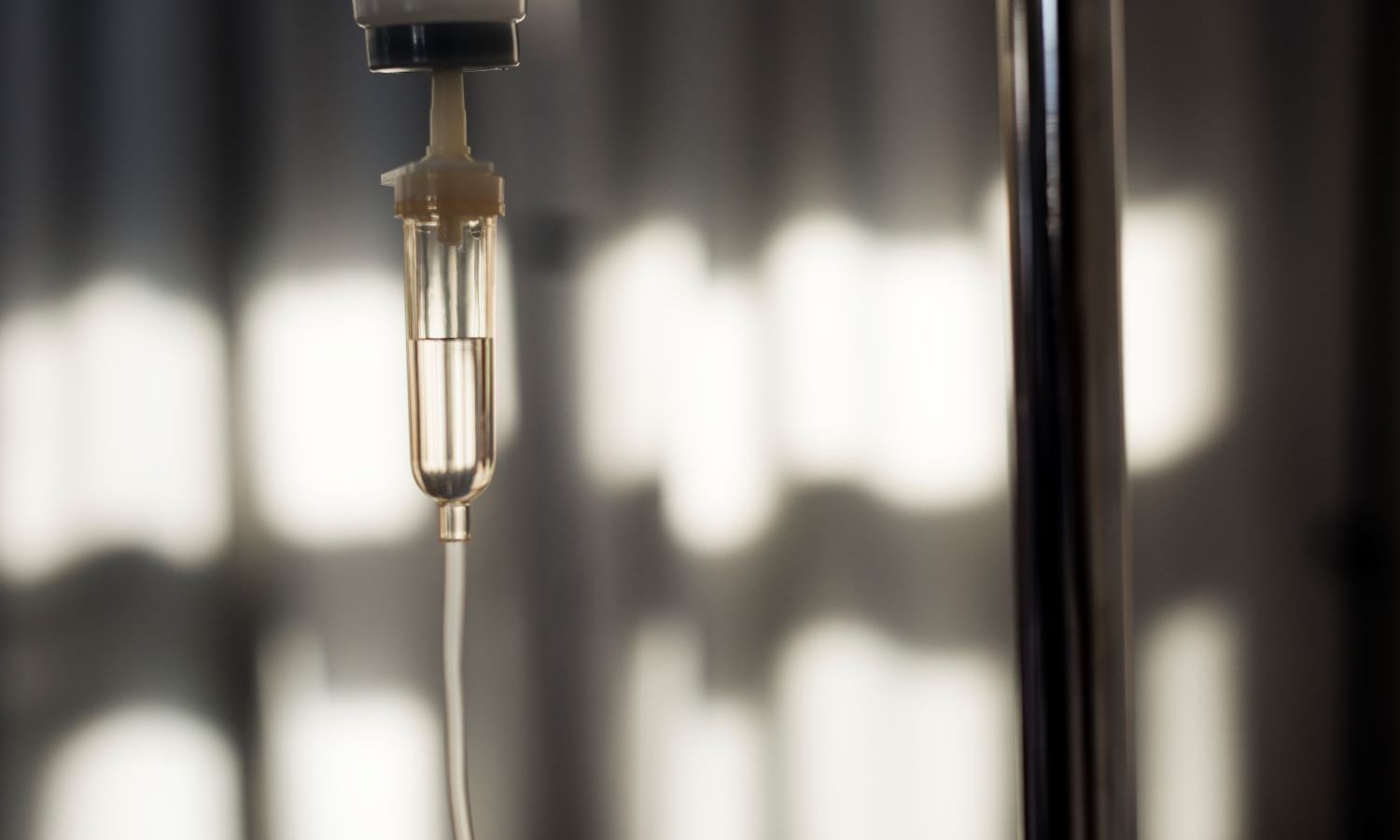
An iron infusion involves delivering iron directly into your bloodstream through a small drip placed into a vein.
The procedure is usually performed in a medical clinic under supervision.
During your appointment:
- Your healthcare professional will explain the procedure.
- A small cannula will be inserted into a vein.
- The iron solution is slowly infused over a period of time.
- You’ll be monitored throughout the infusion.
- You may be asked to remain for a short observation period afterwards.
Many patients find the procedure straightforward and are able to return home the same day.
How Long Does It Take to Feel Better?
Everyone responds differently.
Some people notice improvements in energy within one to two weeks, while for others it may take several weeks as the body produces new red blood cells.
Improvement also depends on:
- The severity of the deficiency
- Your overall health
- Whether the underlying cause has been addressed
Your GP may arrange follow-up blood tests several weeks after treatment to assess your response.
Possible Side Effects
Modern iron infusions are generally well tolerated, but like any medical treatment, side effects can occur.
Common temporary side effects may include:
- Headache
- Mild nausea
- Muscle or joint aches
- Temporary changes in taste
- Fatigue
- Mild bruising at the injection site
Less commonly, allergic reactions or infusion-related reactions may occur, which is why iron infusions are administered in an appropriately equipped medical setting.
If you develop concerning symptoms after leaving the clinic, seek medical advice promptly.
Looking After Yourself After an Iron Infusion
Most people recover quickly after treatment.
General advice includes:
- Drink plenty of water.
- Resume normal meals unless advised otherwise.
- Rest if you feel tired.
- Avoid strenuous exercise for the remainder of the day if recommended.
- Follow your GP’s advice regarding follow-up blood tests.
Most patients can return to their normal daily activities shortly after the procedure.
Can Iron Deficiency Return?
Yes.
If the underlying cause is not identified and managed, iron levels may gradually fall again.
Depending on your circumstances, your GP may recommend:
- Monitoring iron levels periodically
- Dietary advice
- Iron supplements
- Managing heavy menstrual bleeding
- Investigating gastrointestinal causes
- Ongoing follow-up if you have a chronic medical condition
Long-term management focuses on both replacing iron and preventing future deficiency.
Frequently Asked Questions
What is an iron infusion?
An iron infusion is a treatment that delivers iron directly into the bloodstream through a vein, allowing iron stores to be replenished more quickly than oral supplements in appropriate patients.
Are iron infusions better than iron tablets?
Not necessarily. Iron tablets remain the first-line treatment for many people. Iron infusions are generally considered when tablets are ineffective, poorly tolerated or when rapid iron replacement is required.
How long does an iron infusion take?
The infusion itself usually takes between 15 minutes and an hour, depending on the preparation used. Additional observation time may also be recommended.
When will I start feeling better?
Some people notice improvements within one to two weeks, while others take several weeks as the body restores healthy red blood cells.
Are iron infusions safe?
Iron infusions are commonly performed and are generally considered safe when administered under appropriate medical supervision. Your healthcare professional will discuss potential risks and side effects before treatment.
Can my GP tell if I need an iron infusion?
Yes. Your GP can assess your symptoms, arrange blood tests, identify the cause of iron deficiency and determine whether an iron infusion is appropriate for your individual situation.
The Bottom Line
Iron deficiency is common, but it doesn’t have to become your normal. If you’re experiencing ongoing fatigue, shortness of breath or other symptoms of low iron, it’s worth discussing them with your GP. After appropriate assessment, an iron infusion may be recommended for some people when oral iron isn’t suitable or hasn’t been effective.
Early diagnosis and treatment can help restore your iron levels, improve your energy and support your overall wellbeing.
References
- Lifeblood (Australian Red Cross). Iron Deficiency. https://www.lifeblood.com.au
- Healthdirect Australia. Iron Deficiency. https://www.healthdirect.gov.au/iron-deficiency
- National Blood Authority Australia. Patient Blood Management Guidelines. https://www.blood.gov.au
- Royal Australian College of General Practitioners (RACGP). Guidelines for Preventive Activities in General Practice. https://www.racgp.org.au
- Therapeutic Guidelines. Iron Deficiency and Iron Deficiency Anaemia. https://www.tg.org.au
- Australian Prescriber. Iron Deficiency Anaemia in Adults. https://australianprescriber.tg.org.au